Moulding
Loading: Methodologies And Preparation
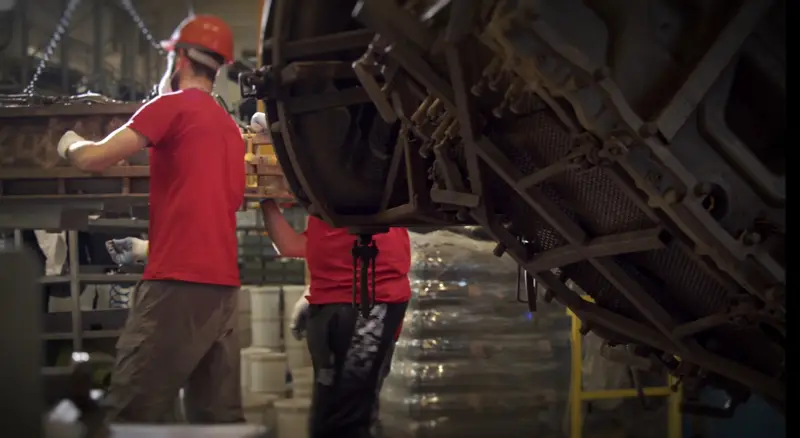
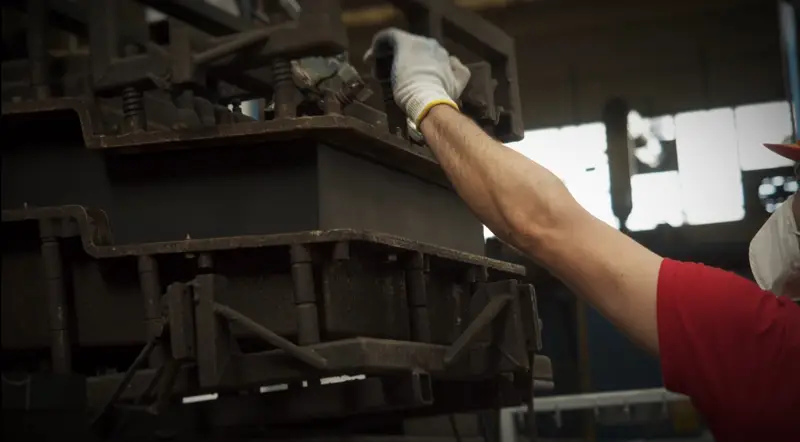
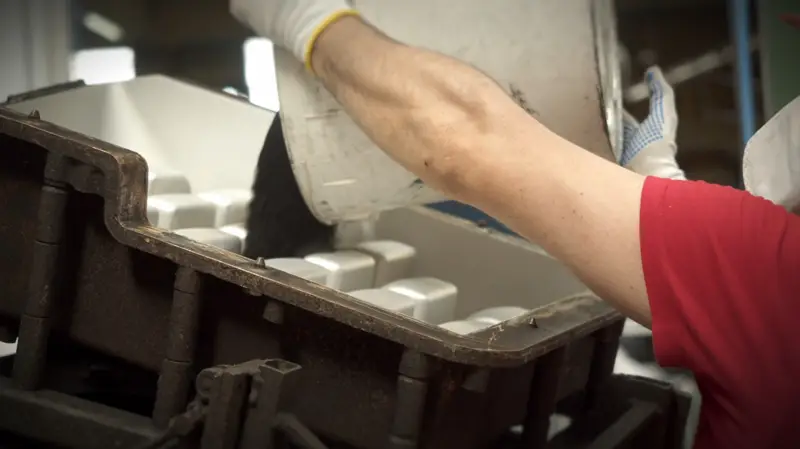
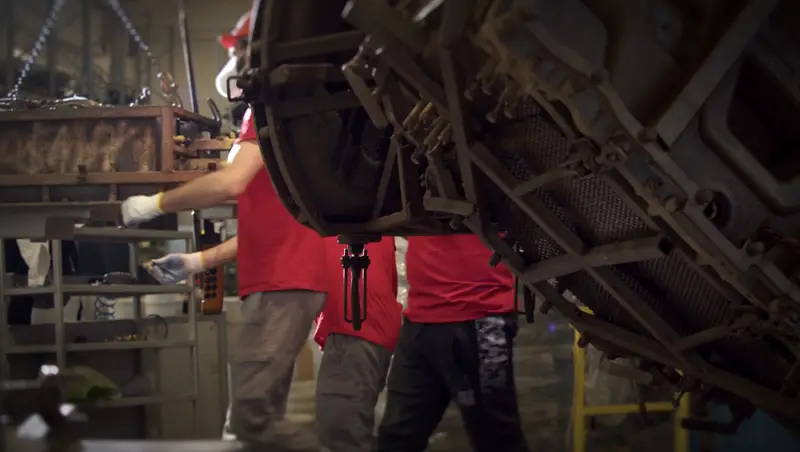
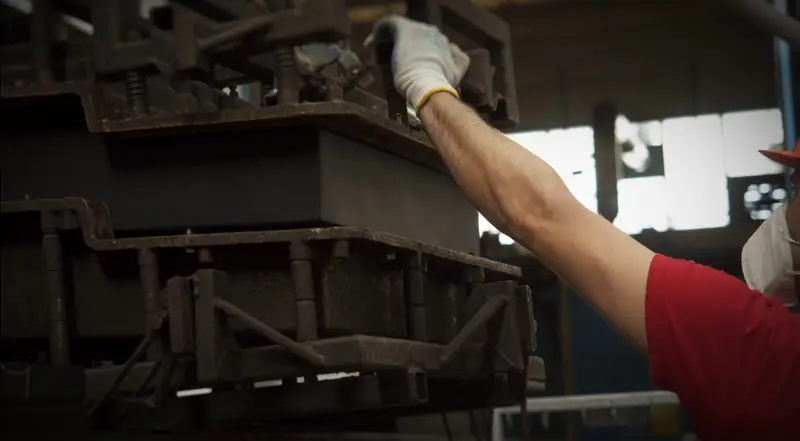
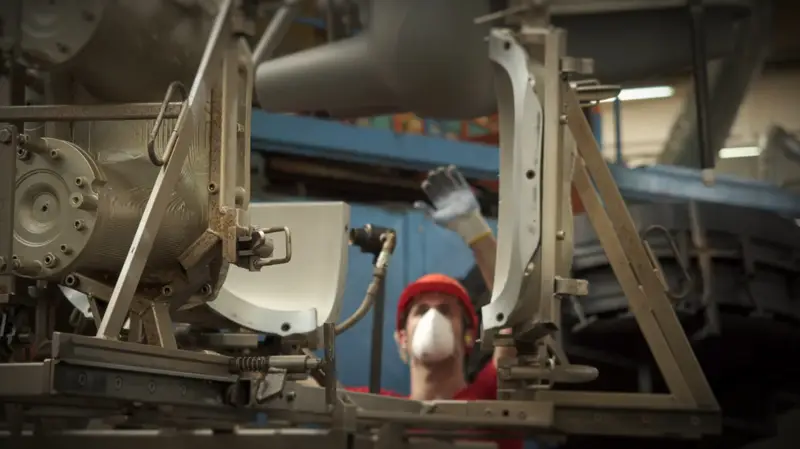
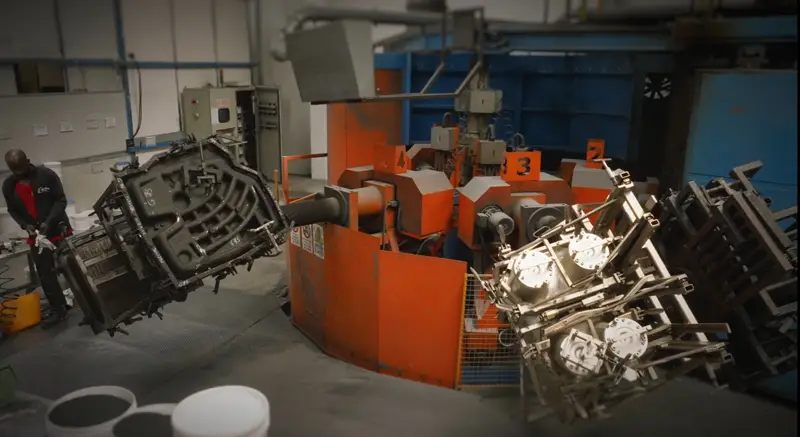
The loading phase represents the first and one of the most critical stages of the rotational moulding cycle. It directly influences material distribution, cycle stability, surface quality, and the mechanical performance of the final product. Proper loading ensures that the polymer charge is accurately dosed, clean, dry, and correctly positioned within the mould cavity before the heating stage begins.

Heating And Rotation
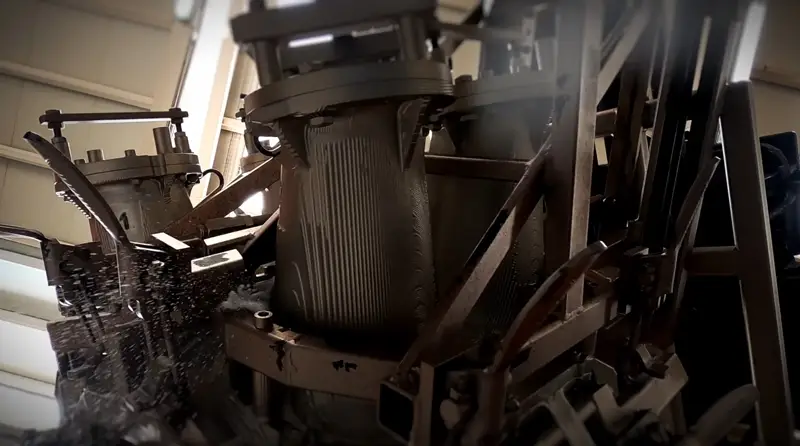
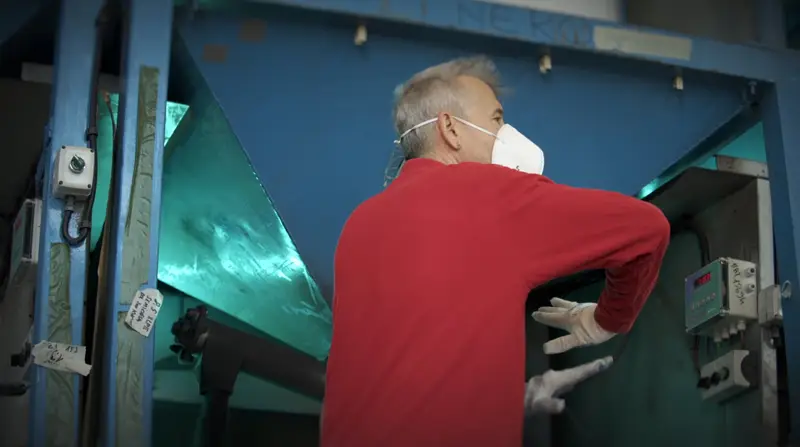
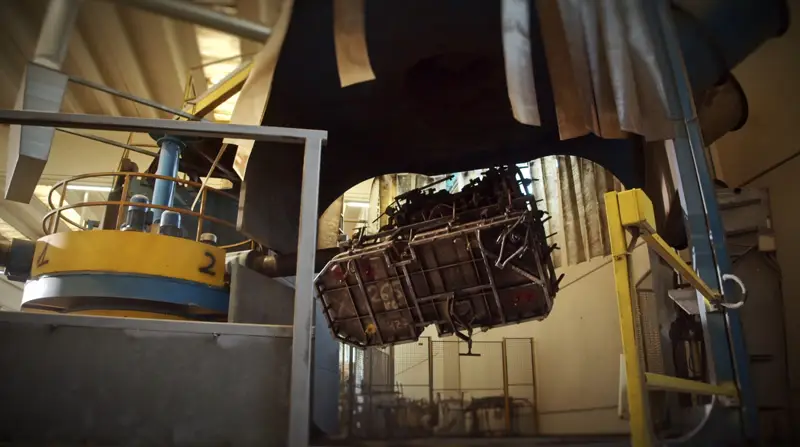
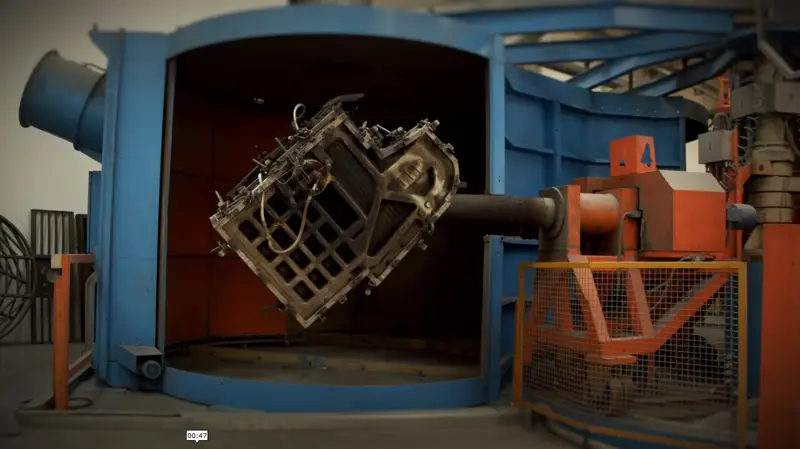
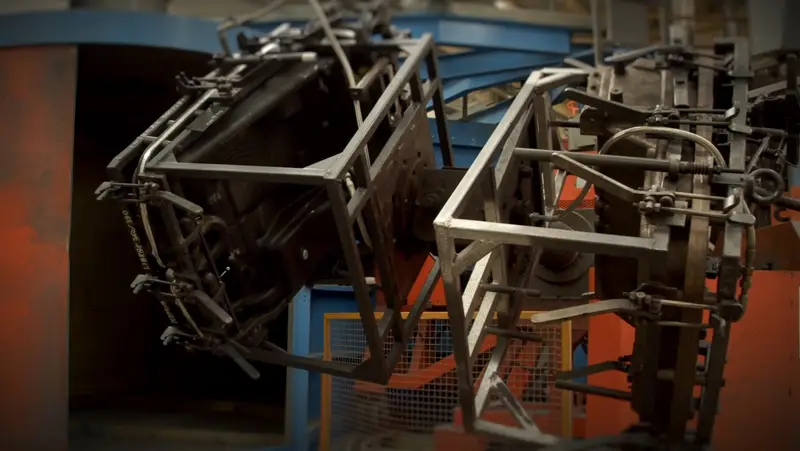
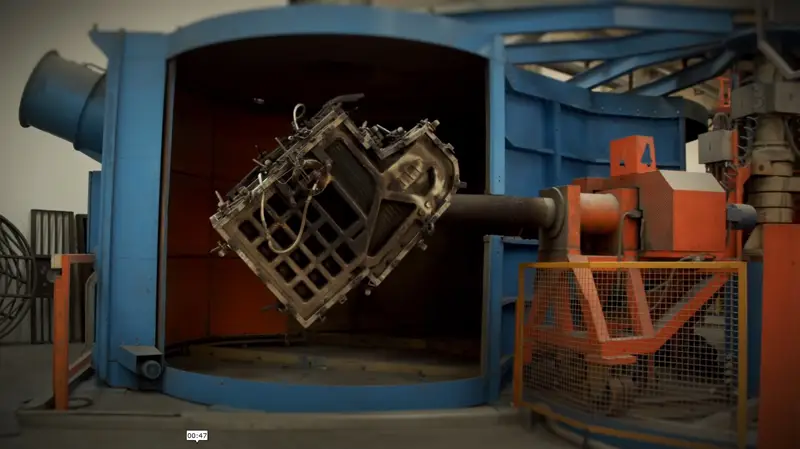
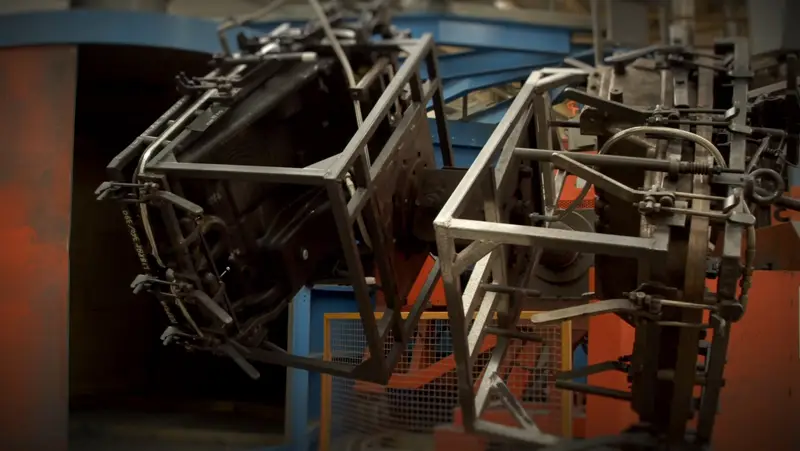
The heating and rotation phase is the core of the rotational moulding cycle, where the polymer charge transitions from a free‑flowing powder to a fully sintered, homogeneous melt layer adhering to the internal surface of the mould. This stage determines wall‑thickness uniformity, mechanical performance, surface finish, and dimensional stability of the final product. Effective control of thermal input and rotational dynamics is therefore essential for process repeatability and product quality.
Cooling
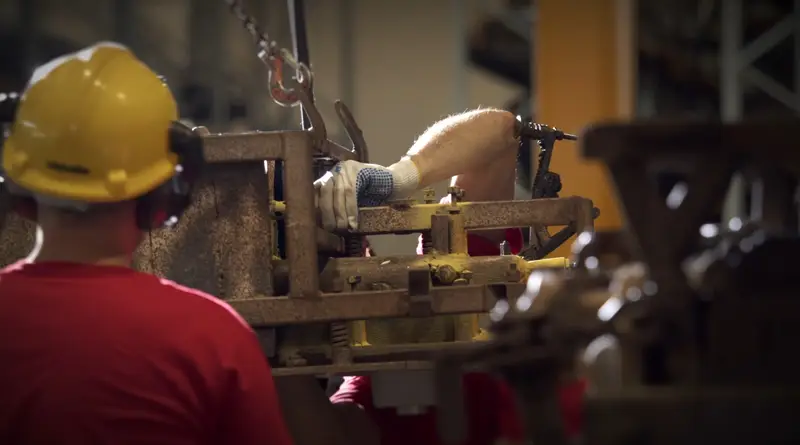
The cooling phase is a decisive stage in the rotational moulding cycle, governing the final part’s dimensional stability, mechanical performance, shrinkage behaviour, and surface quality. After the polymer has fully melted and sintered during heating, the mould must be cooled in a controlled manner while maintaining biaxial rotation. This ensures uniform solidification and prevents defects such as warpage, ovality, sink marks, and internal stresses.
Demoulding
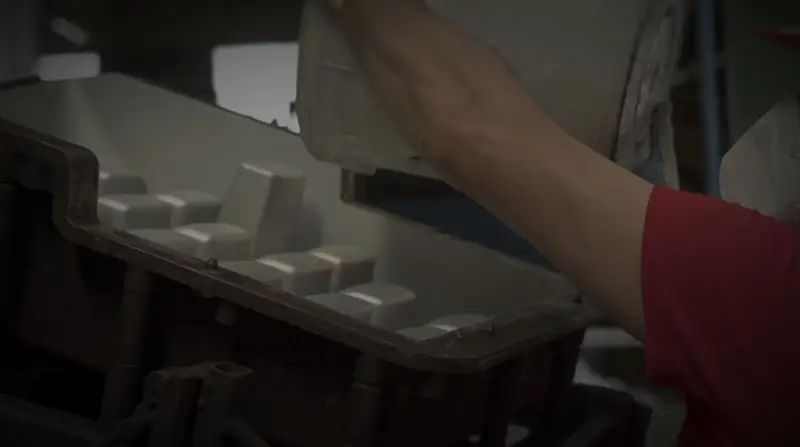
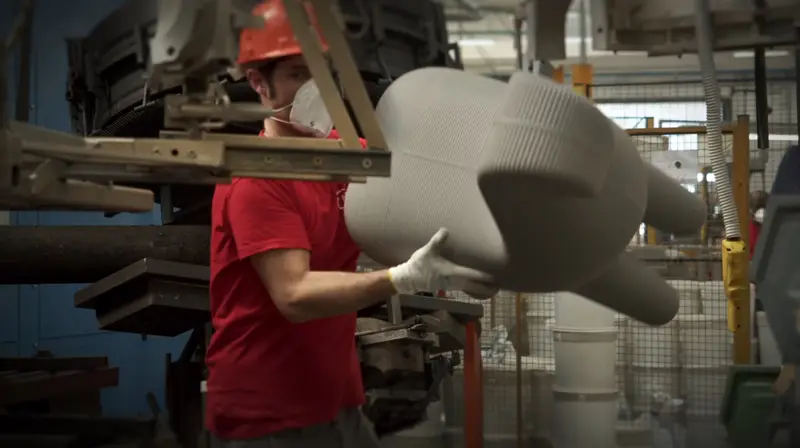
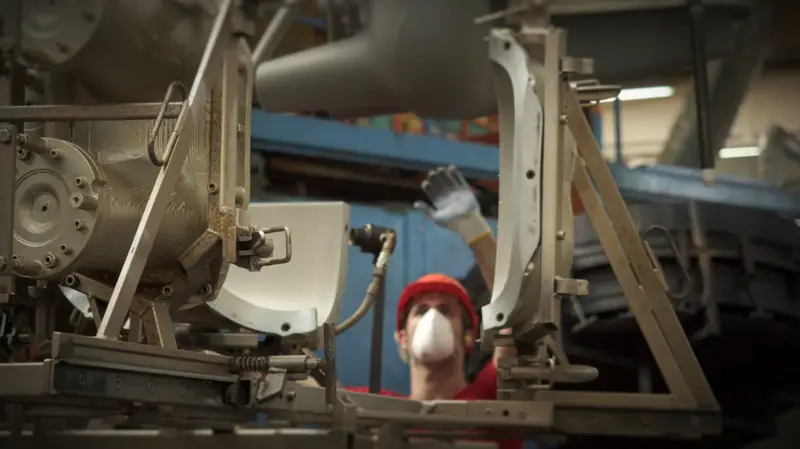
The demoulding phase is the final operational stage of the rotational moulding cycle, during which the solidified polymer article is removed from the mould cavity. Although often perceived as a straightforward mechanical action, demoulding has a decisive influence on cycle efficiency, surface integrity, dimensional accuracy, and tool longevity. Properly controlled demoulding minimises part deformation, reduces scrap rates, and prevents premature wear of mould surfaces and parting lines.