Machinery
Machines With Independent Arms
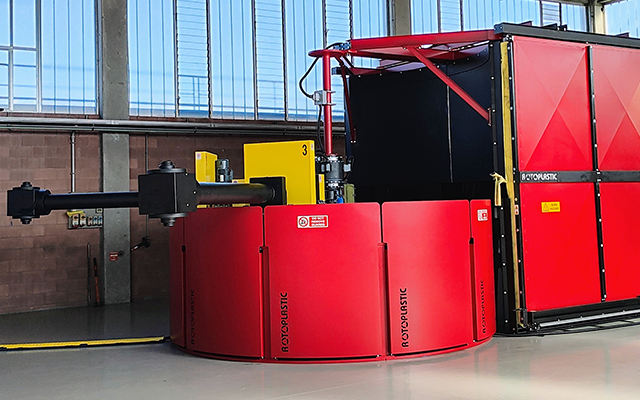
Independent arms machines are the state of the art in rotational molding: a single machine for simultaneous production of items of different thicknesses or materials, with different cycle durations or multilayer. The arms move from one phase to another without being tied down, so different durations can be determined for each station, creating the best possible production mix, increasing output and maintaining high quality.


Fixed Arms Machines
The fixed-arm rotational molding machine is reliable, robust and simple, suitable for the production of items with rapid processing cycles and similar durations for high production capacity, such as pots and planters, polyethylene containers and tanks, outdoor toys, etc. This model is particularly valued for its ease of use because operator interventions are not required to change process parameters, and so employees prepare for loading and unloading operations that have established and repeated frequency and duration.

Additional Content
Shuttle Machines
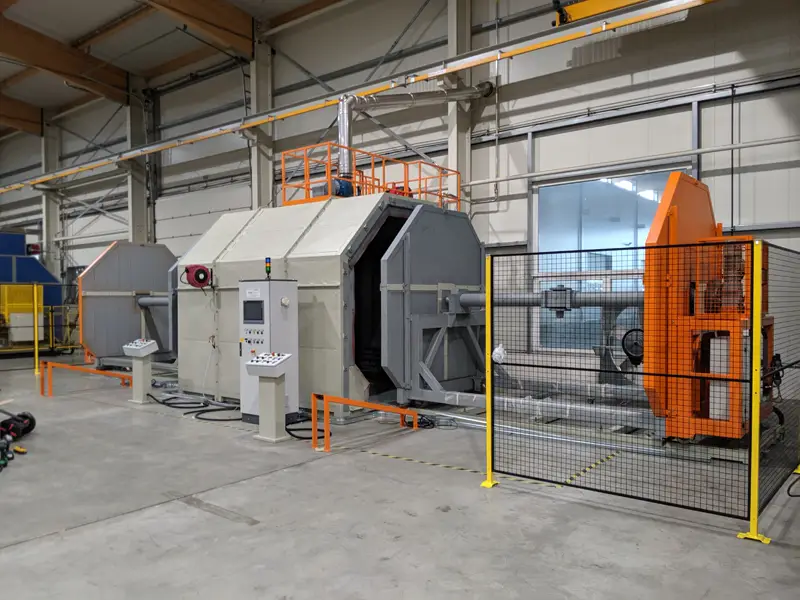
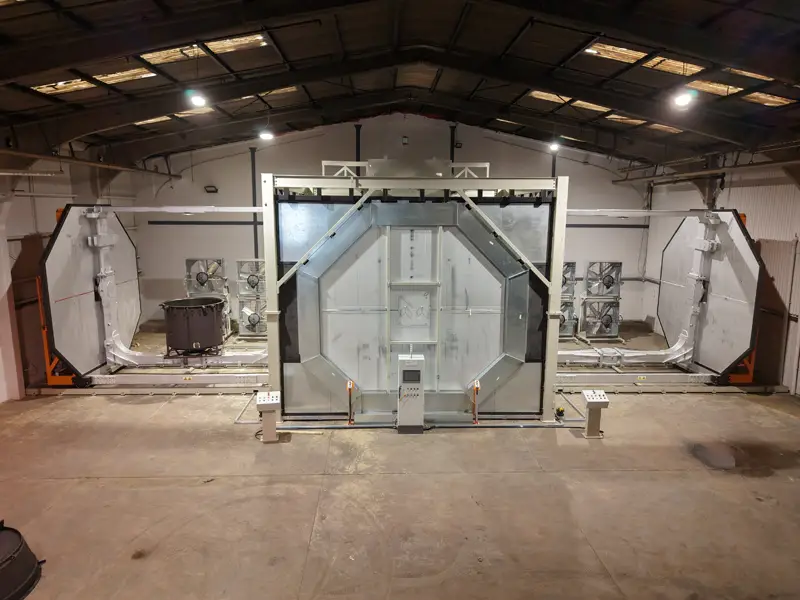
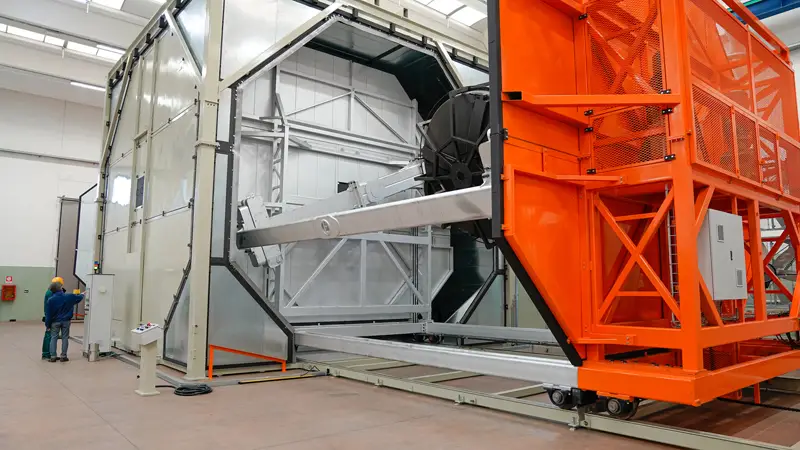
Shuttle rotational moulding machines represent a versatile and efficient class of equipment designed for medium to large production volumes where flexibility, thermal control and optimised floor space utilisation are key requirements. Their defining feature is a two arm reciprocating configuration, in which each arm alternates between the heating chamber and the cooling station, while a central loading/unloading area remains fixed. This architecture provides a balanced compromise between productivity, investment cost and operational adaptability, making shuttle systems widely adopted across industrial sectors such as storage tanks, automotive components, environmental products and technical mouldings.
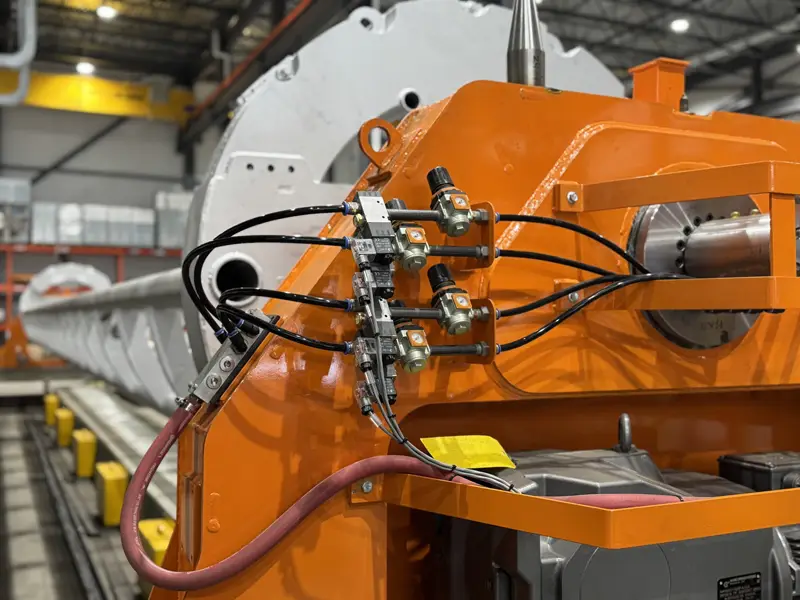
Rock And Roll Machines
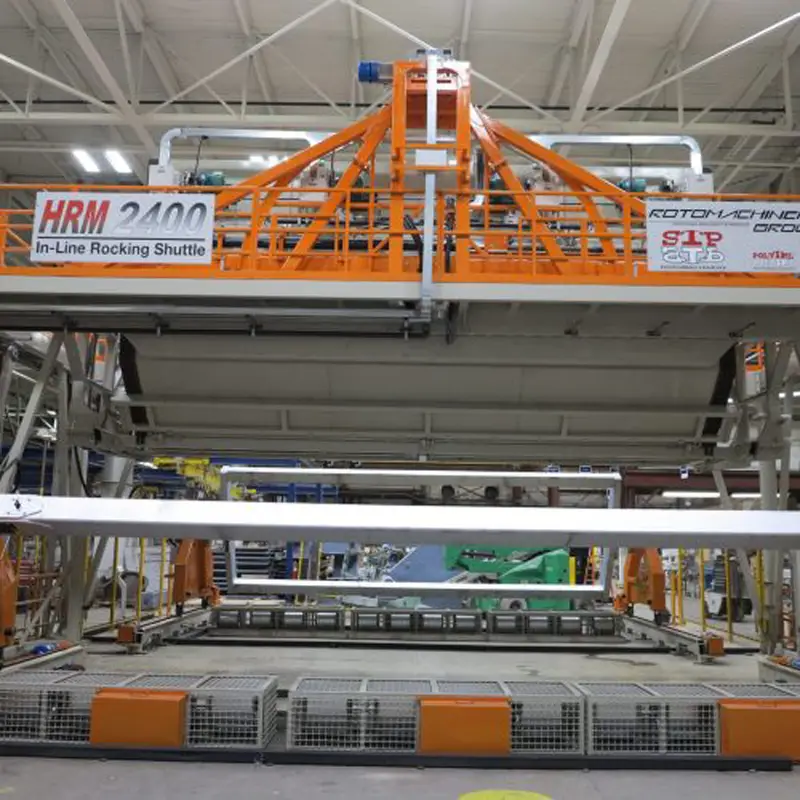
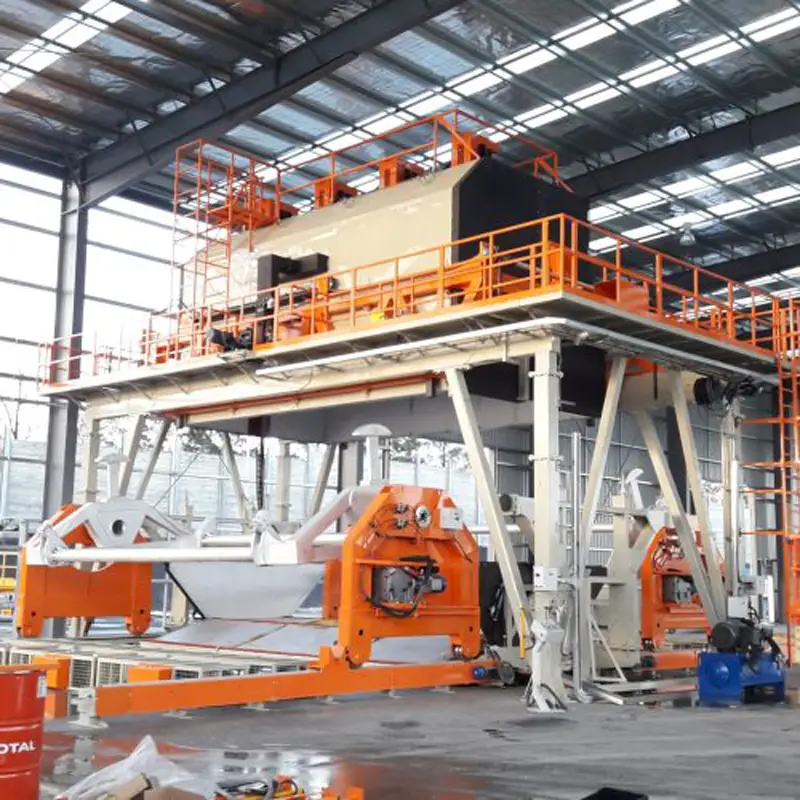
Rock and roll machines represent a specialised class of rotational moulding equipment designed to process large, elongated or geometrically asymmetric products that cannot be efficiently manufactured on conventional biaxial systems. Their defining characteristic is a single‑axis rocking motion combined with a secondary rolling rotation, enabling uniform polymer distribution in moulds with extreme aspect ratios or narrow cross‑sections.
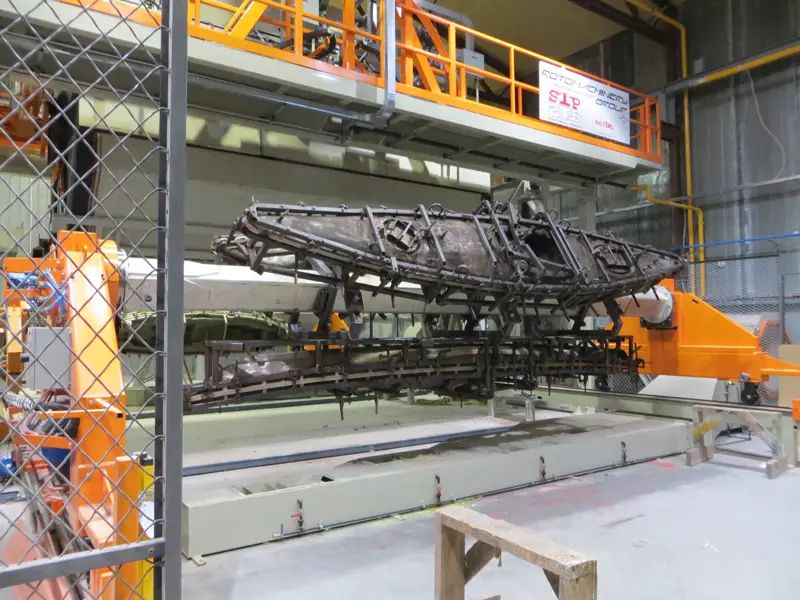
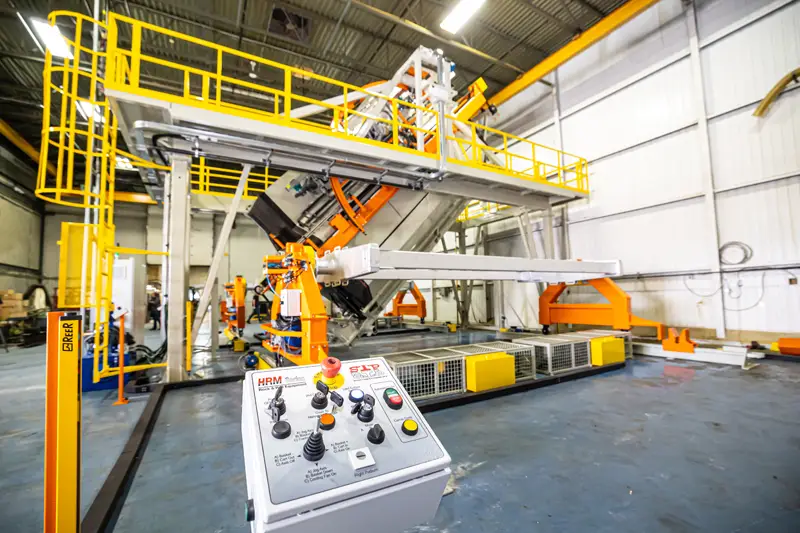
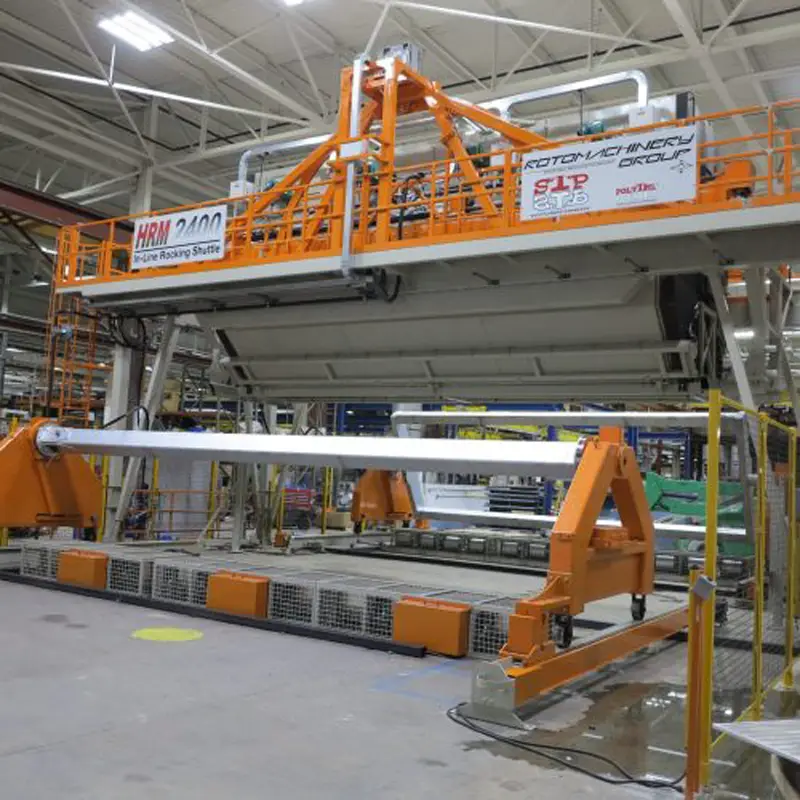
Automated Machines
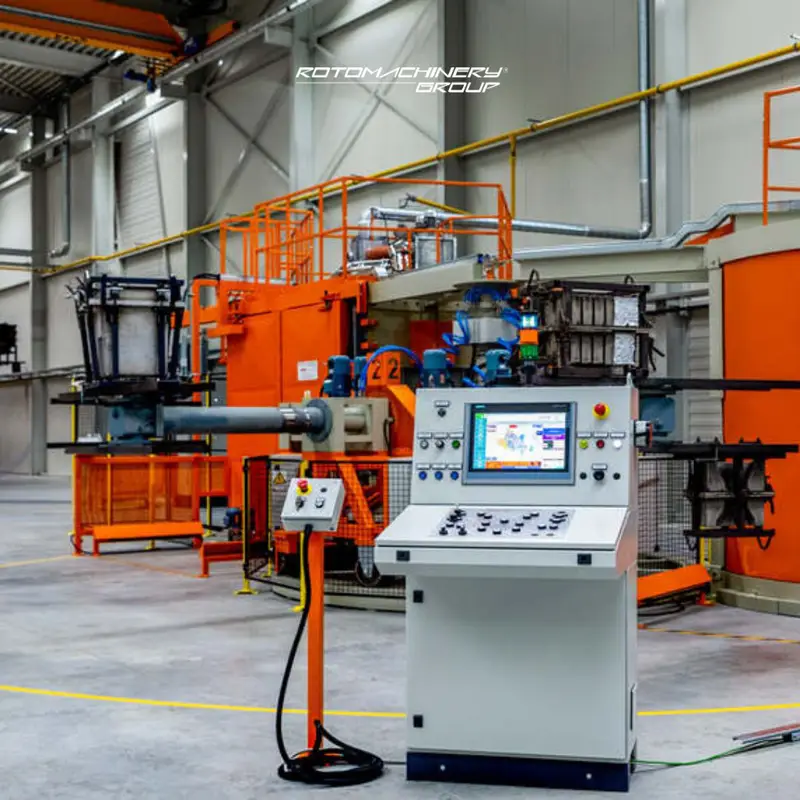
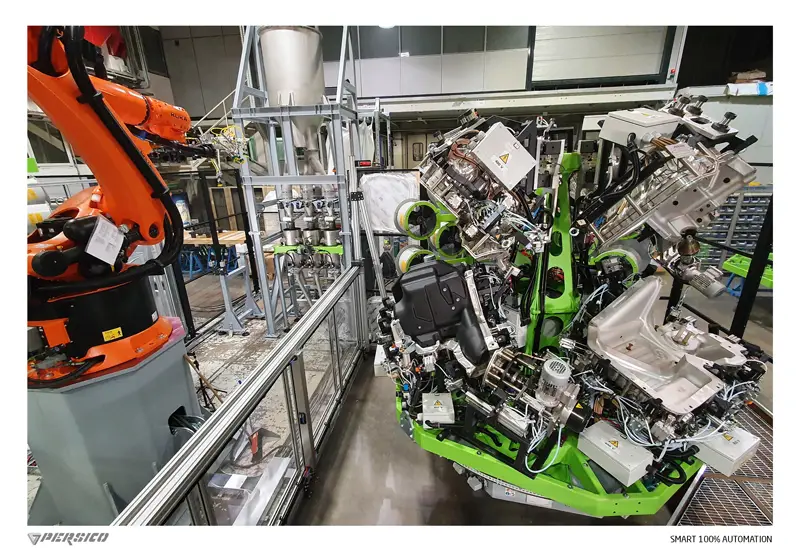
Automated machines for rotational moulding represent the most advanced evolution of rotomoulding technology, integrating robotics, sensor‑based process control, data acquisition systems, and predictive automation to enhance consistency, productivity and energy efficiency. While traditional rotational moulding relies heavily on operator experience, automated systems introduce a higher degree of repeatability and precision, enabling manufacturers to meet increasingly stringent quality requirements and reduce operational costs.
Additional Content
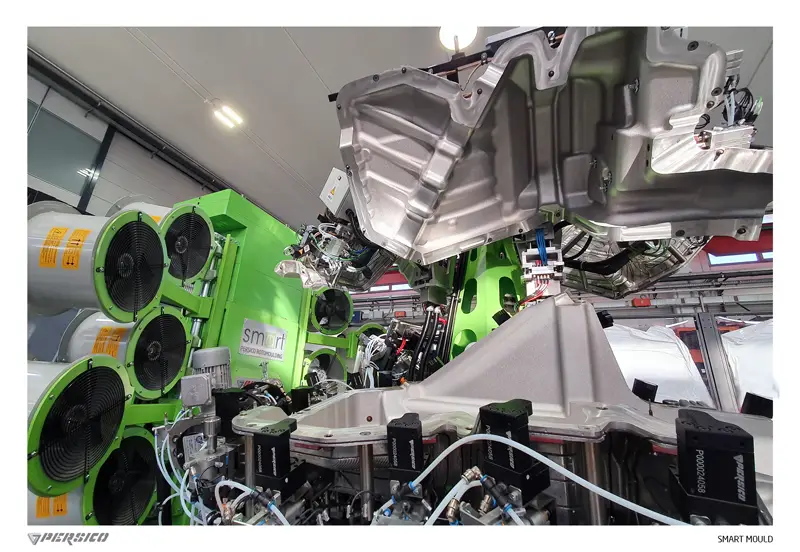
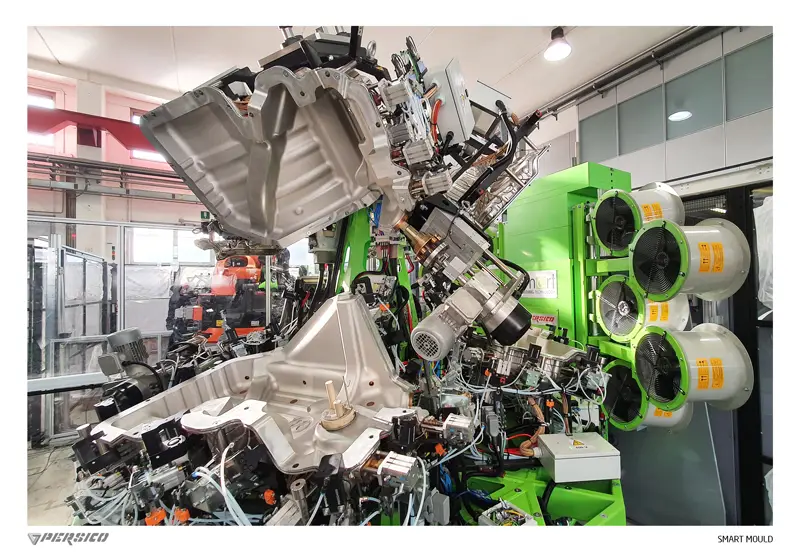
Robotised Machines
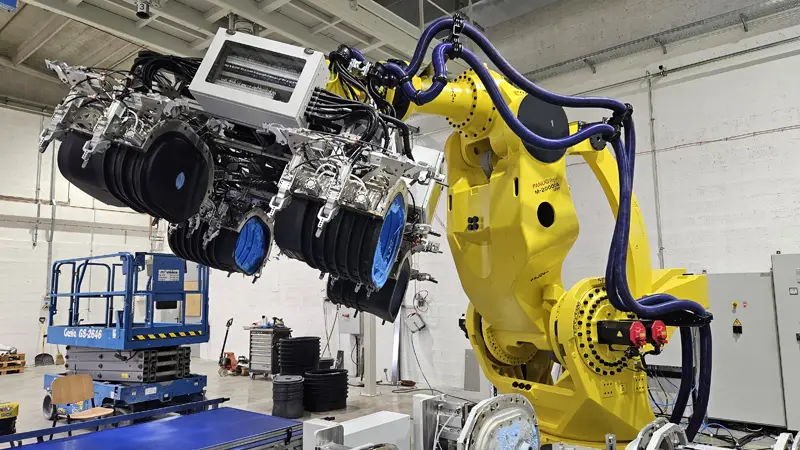
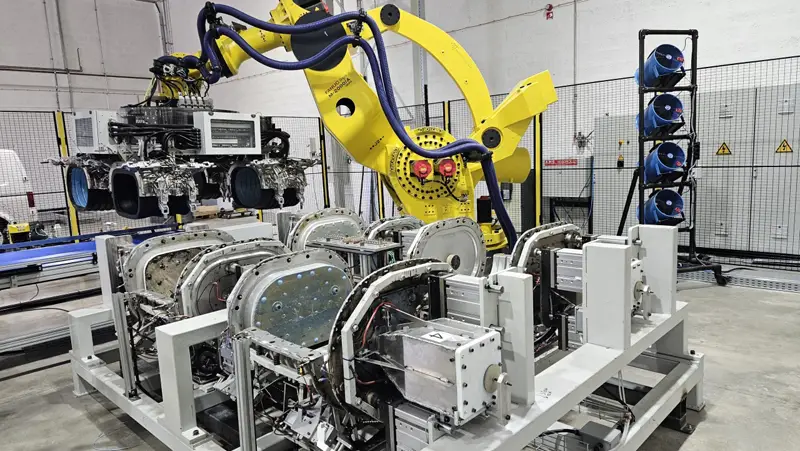
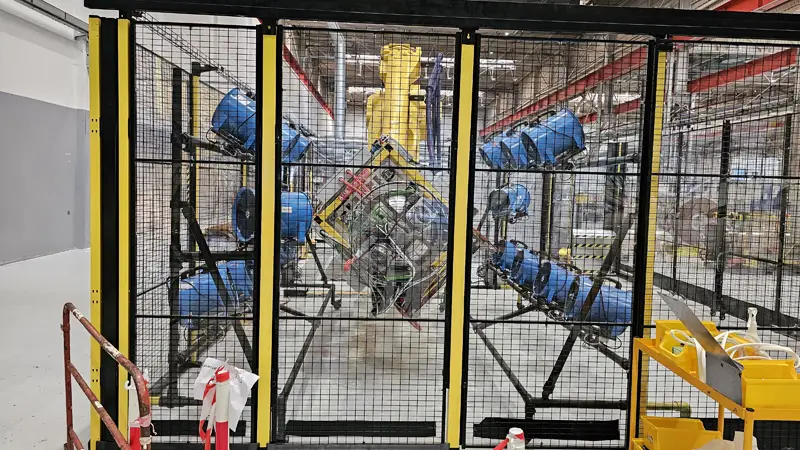
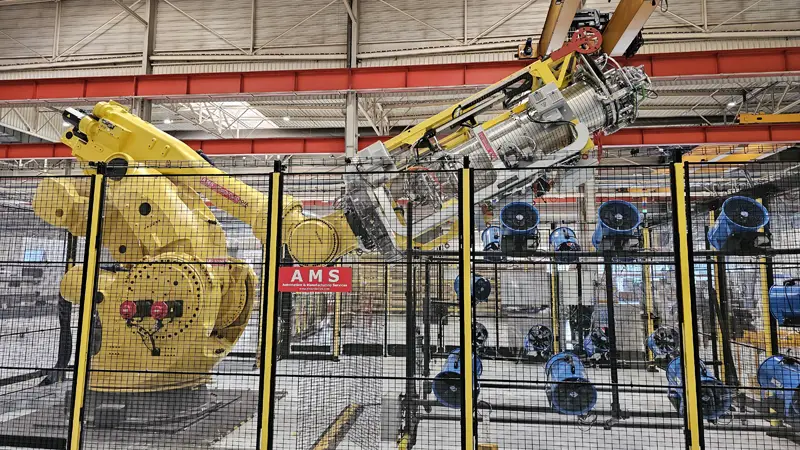
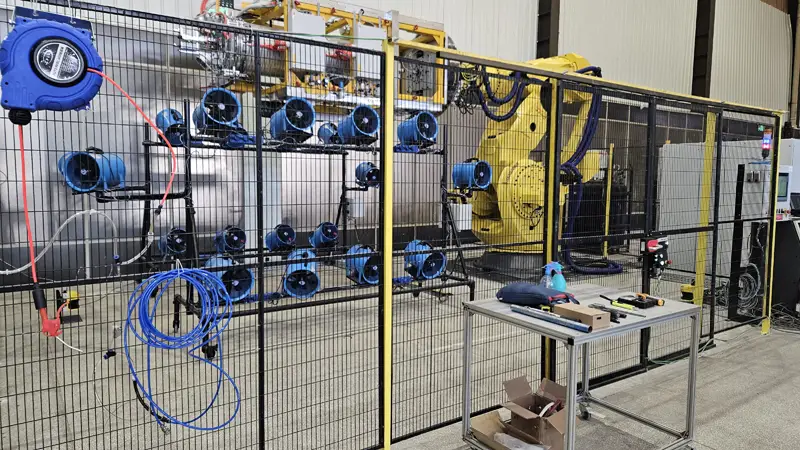
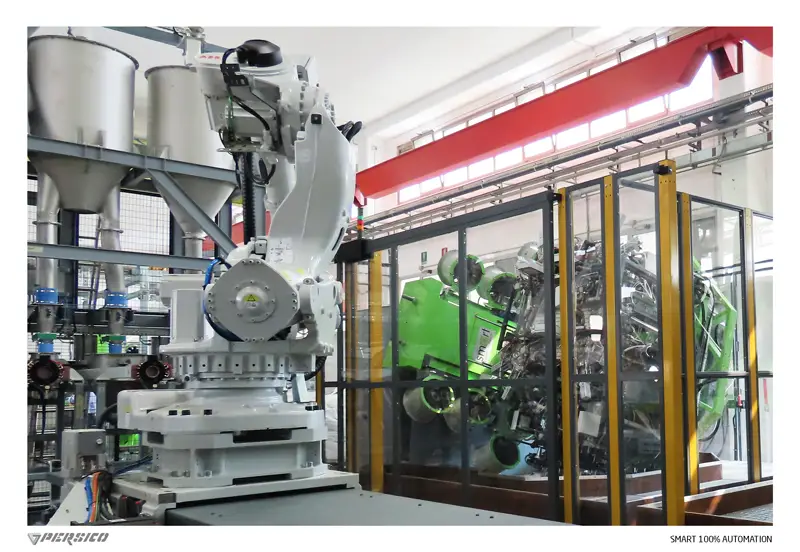
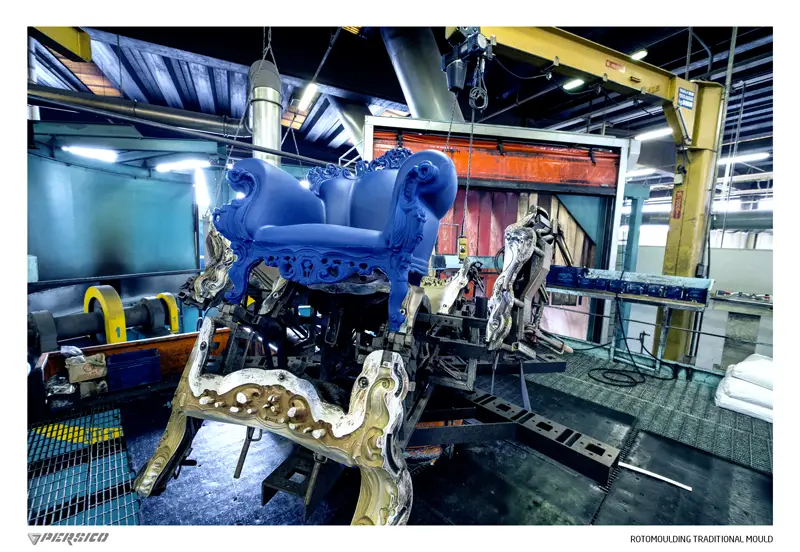
Automated robotised machines represent the most advanced technological frontier in rotational moulding, integrating robotics, sensor‑driven process control, digital supervision, and adaptive automation to achieve unprecedented levels of precision, repeatability and operational efficiency. While traditional rotational moulding relies heavily on manual intervention and operator experience, robotised systems introduce a new paradigm based on programmable motion, closed‑loop thermal management, and intelligent handling of moulds and components.