Accessories
Adhesion Promoters
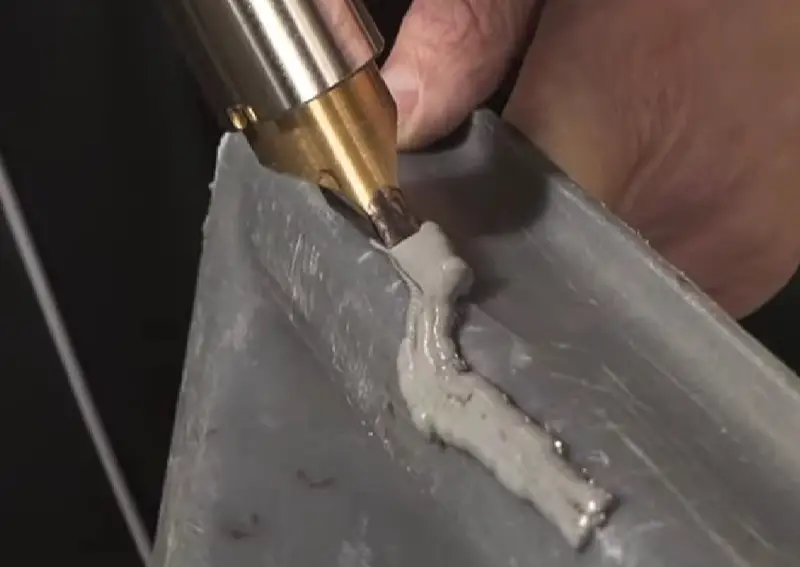
Adhesion promoters are specialised chemical systems designed to enhance the bonding between rotationally moulded polymers—primarily polyolefins such as polyethylene (PE) and polypropylene (PP)—and secondary materials including metals, foams, coatings, inserts, and structural reinforcements. Their function is to overcome the inherently low surface energy and non‑polar molecular structure of polyolefins, which otherwise exhibit poor adhesion to most substrates.
In rotational moulding, adhesion promoters are used both inside the mould (to bond layers or foams) and post‑moulding (to enable painting, printing, welding, or structural assembly). Their correct selection and application are essential for achieving durable, high‑performance interfaces in demanding industrial environments.
Flash Trimmers
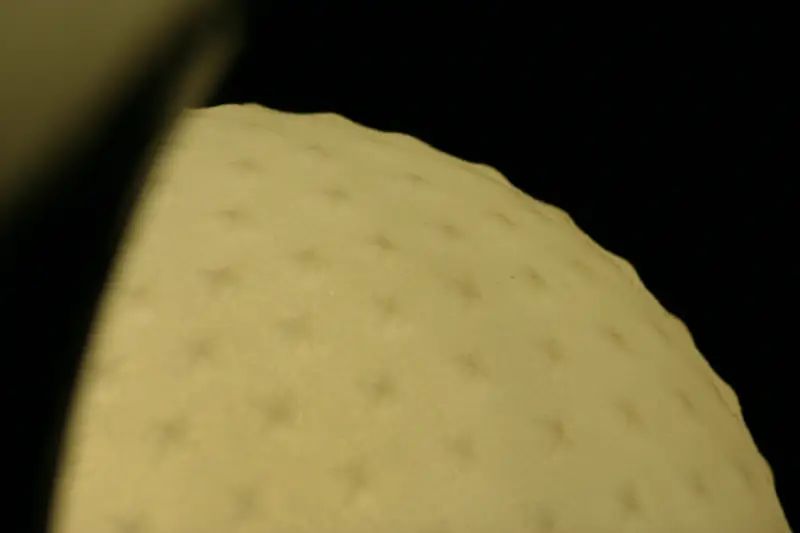
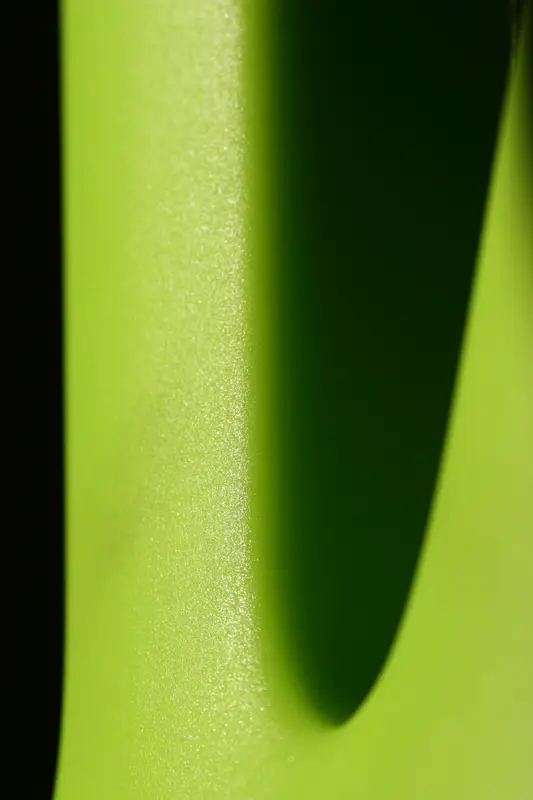
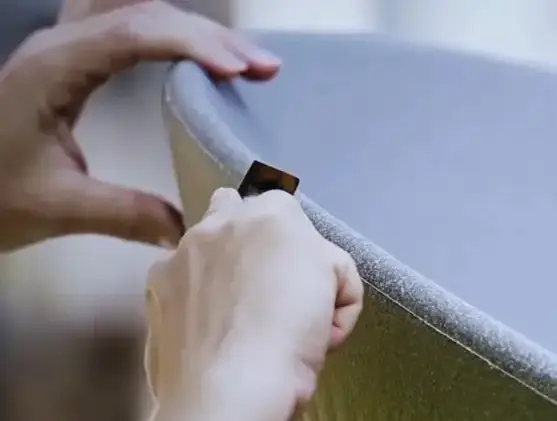
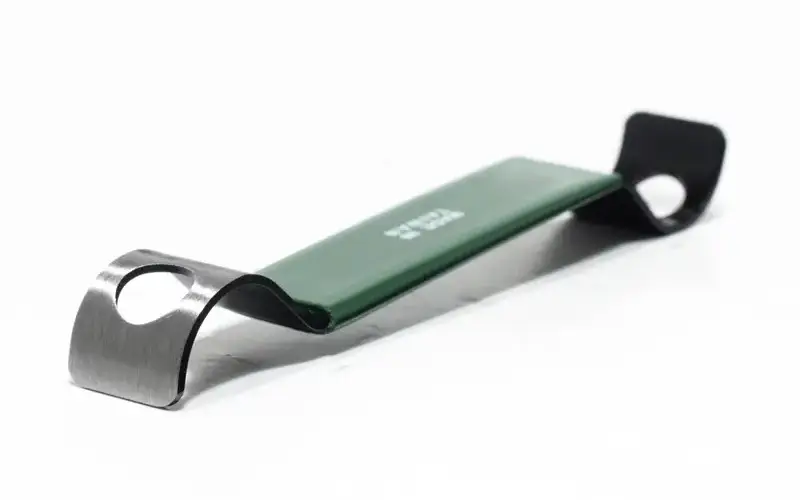
Flash trimmers are specialised cutting tools designed to remove excess polymer—commonly referred to as flash—that forms along the parting lines of rotational moulds. Although rotational moulding is inherently a low pressure process, minor misalignments, thermal expansion of the mould, or material overflow during the heating phase can generate thin fins of polymer that must be removed to achieve the required dimensional accuracy and surface finish. Flash trimming is therefore a critical post processing operation for ensuring aesthetic quality, functional fit, and compliance with dimensional tolerances.

Additional Content
Heat Pipes
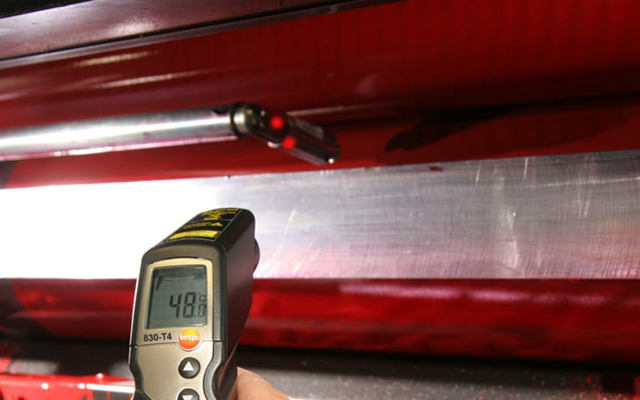
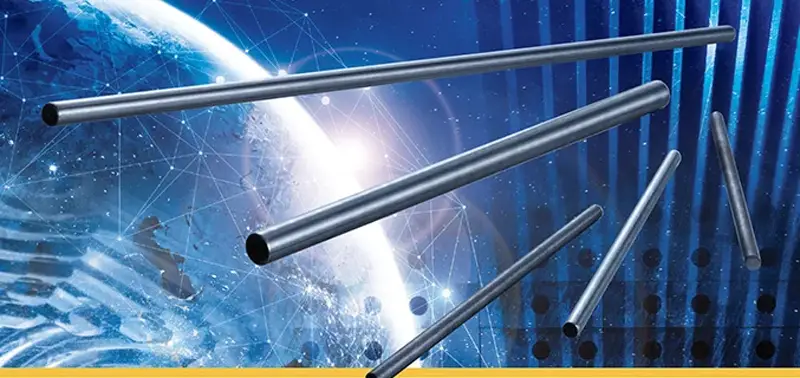
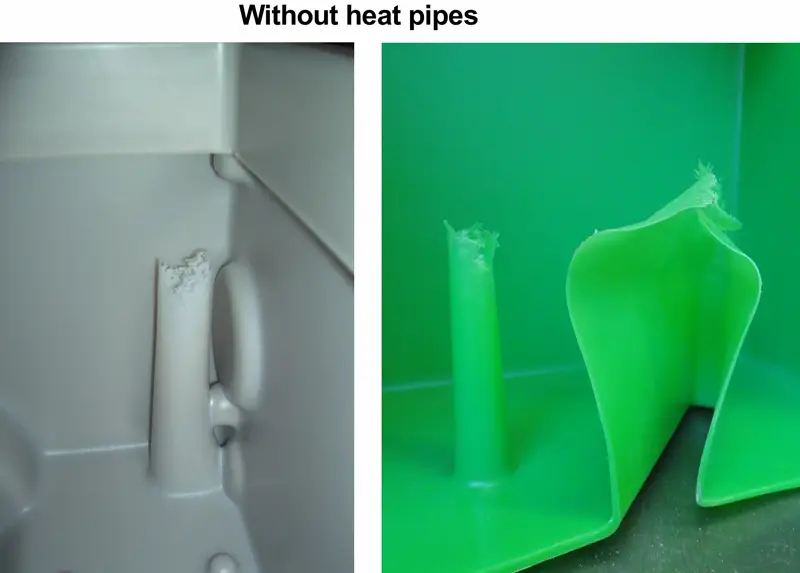
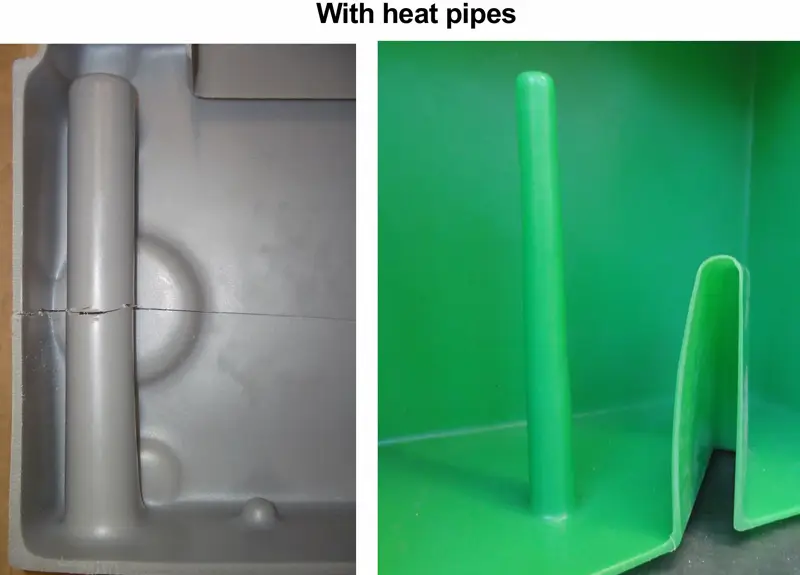
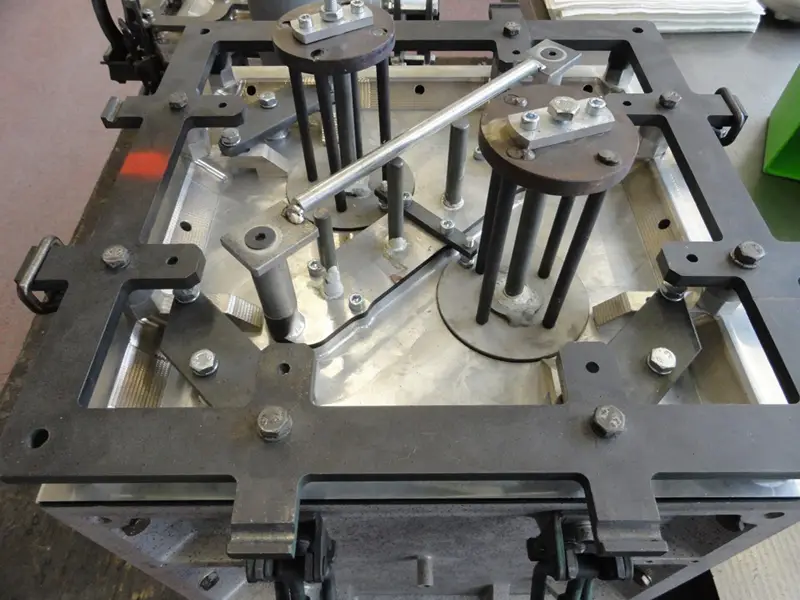
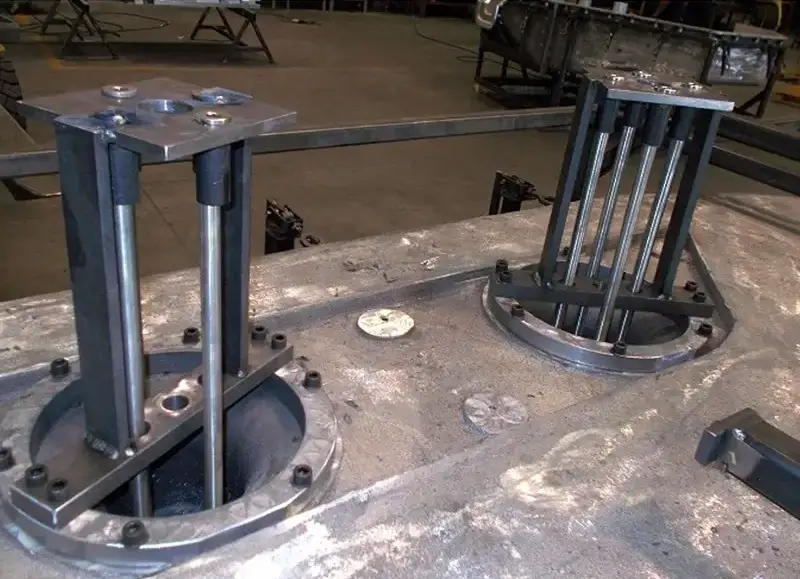
Heat pipes are increasingly being integrated into advanced rotational moulding systems as a means of enhancing thermal efficiency, improving temperature uniformity, and reducing cycle times. A heat pipe is a passive, high conductivity thermal transfer device capable of transporting large quantities of heat with minimal temperature gradient. When correctly engineered into a mould or machine structure, heat pipes help stabilise the thermal environment during both heating and cooling, thereby improving part quality and process repeatability.
Additional Content
Mould Coatings
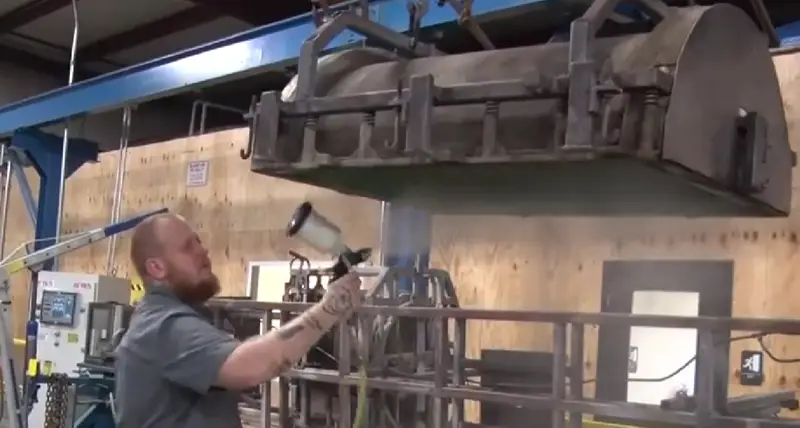
Mould coatings play a critical role in the performance, durability, and operational efficiency of rotational moulding equipment. Applied to the internal or external surfaces of steel or aluminium moulds, these coatings are engineered to improve release behaviour, enhance thermal performance, protect the mould substrate, and extend service life under repeated thermal cycling. Their selection and application directly influence cycle times, surface finish, and long term mould maintenance requirements.
Permament Graphics
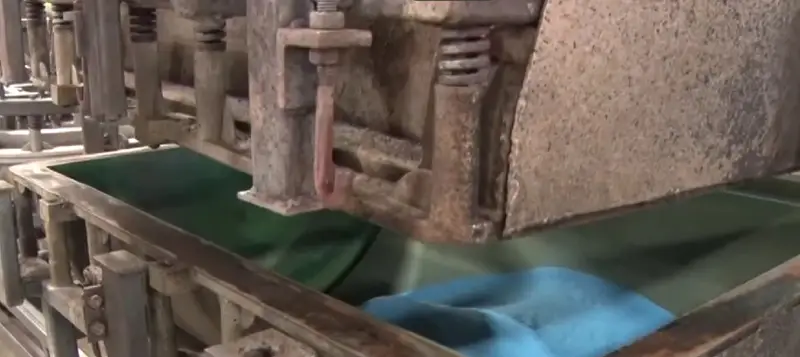
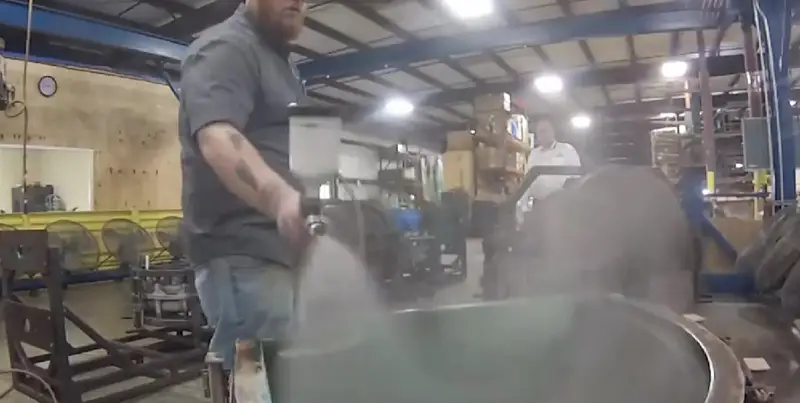
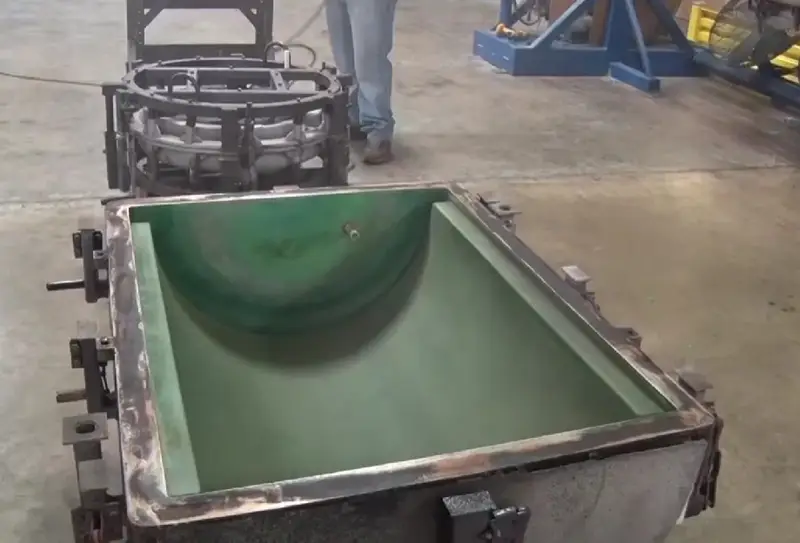
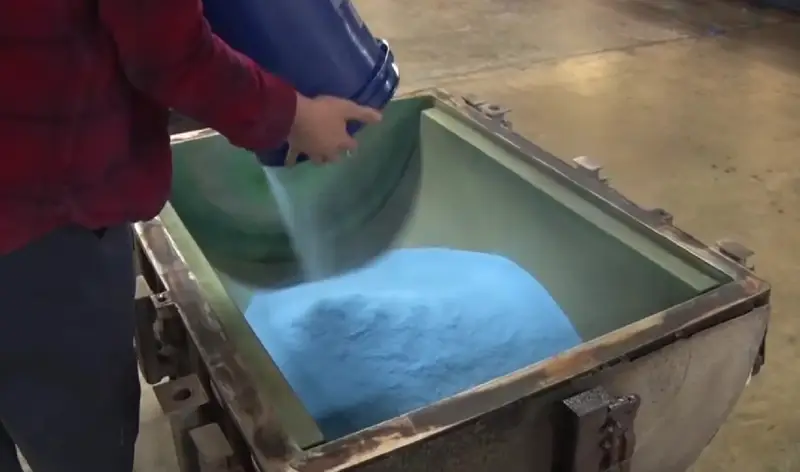
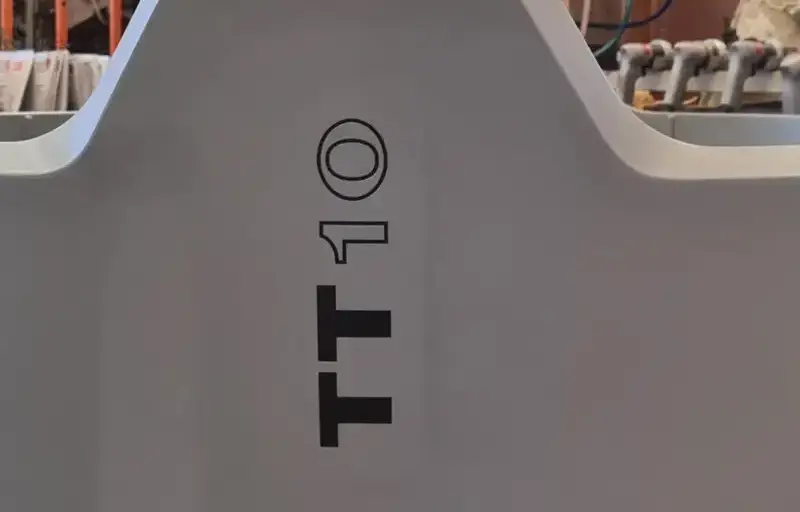
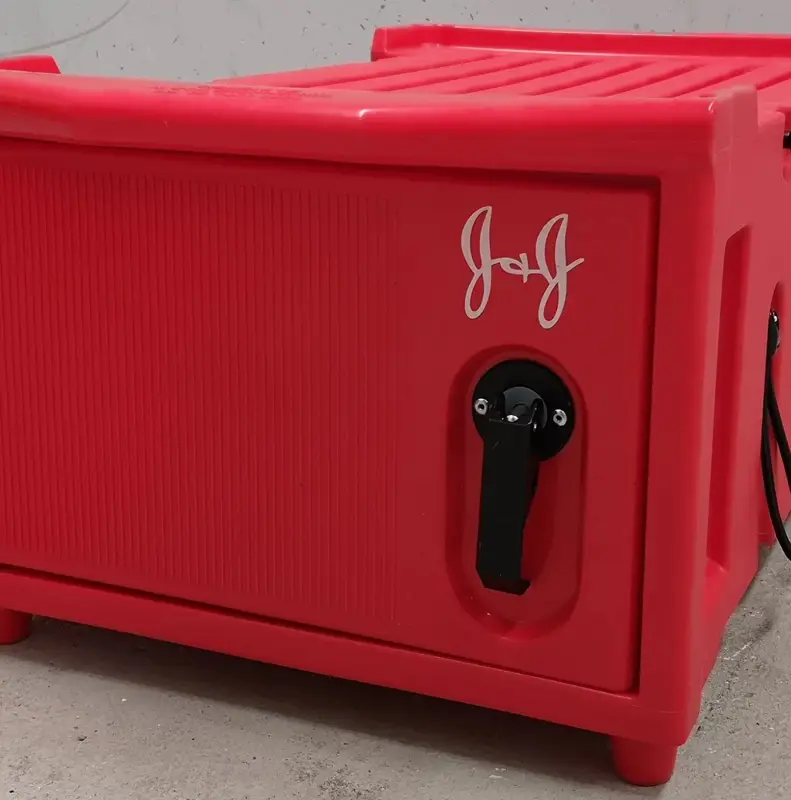
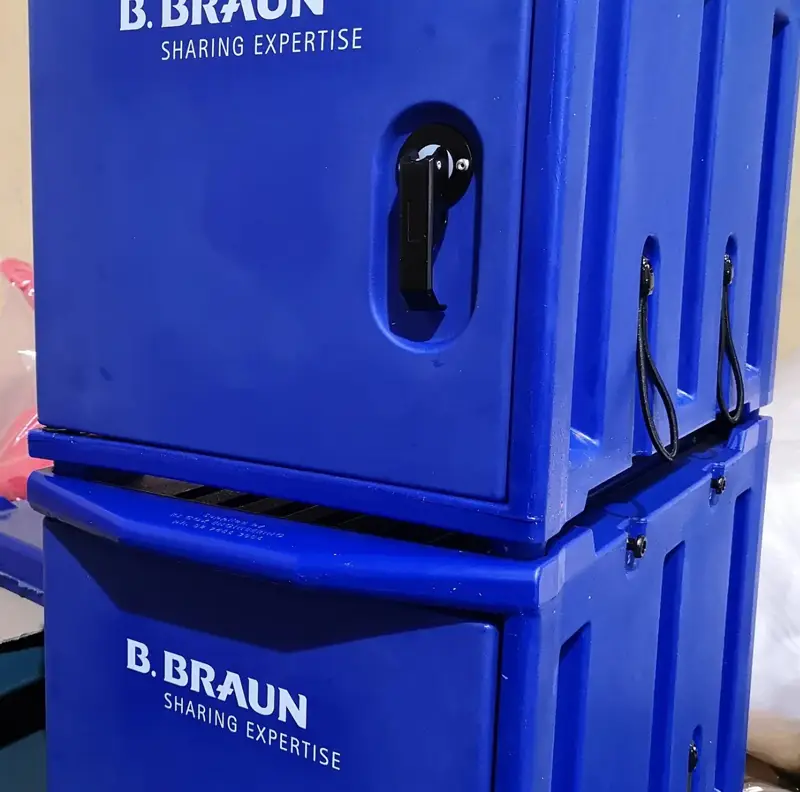
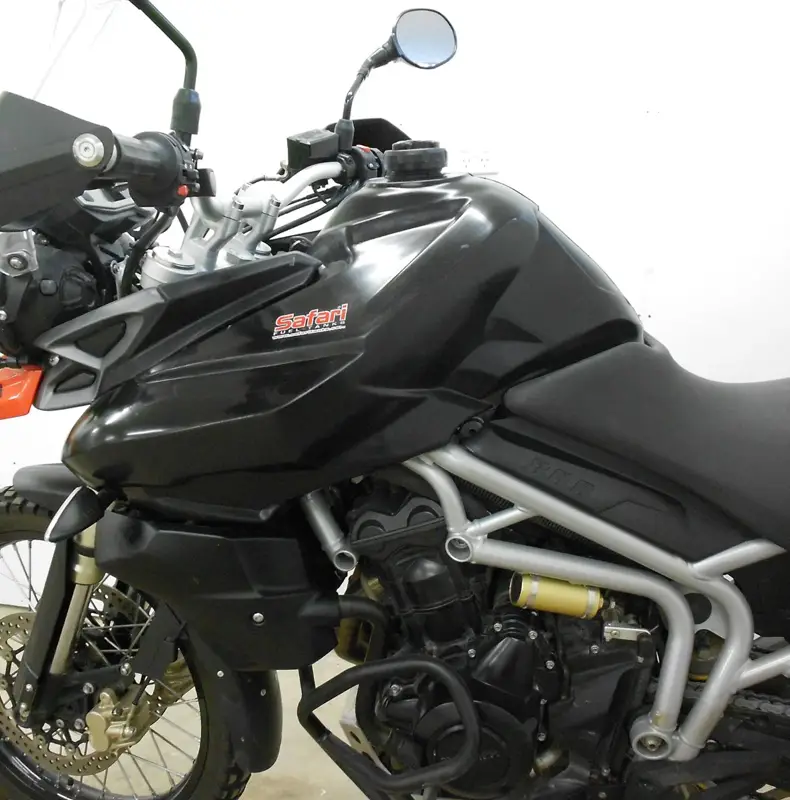
Permanent graphics for rotationally moulded products are achieved through in mould and on mould/post mould technologies that embed or mechanically diffuse the graphic into the polymer surface, ensuring long term durability, UV resistance, and resistance to peeling or abrasion. These systems are specifically engineered for polyolefins such as PE and PP, which traditionally have low surface energy and are difficult to print on.
Additional Content

Release Agents
Release agents are functional materials applied to the internal surfaces of rotational moulds to facilitate the clean separation of the polymer part from the mould after cooling. Their correct selection and application are essential to ensure consistent demoulding, surface quality, cycle time stability, and mould longevity. In a process where polymers—primarily polyethylene (PE) and polypropylene (PP)—undergo prolonged heating and intimate contact with metal surfaces, release agents act as a controlled interfacial barrier that prevents adhesion, reduces mechanical sticking, and minimises cosmetic defects.
Additional Content
Vents
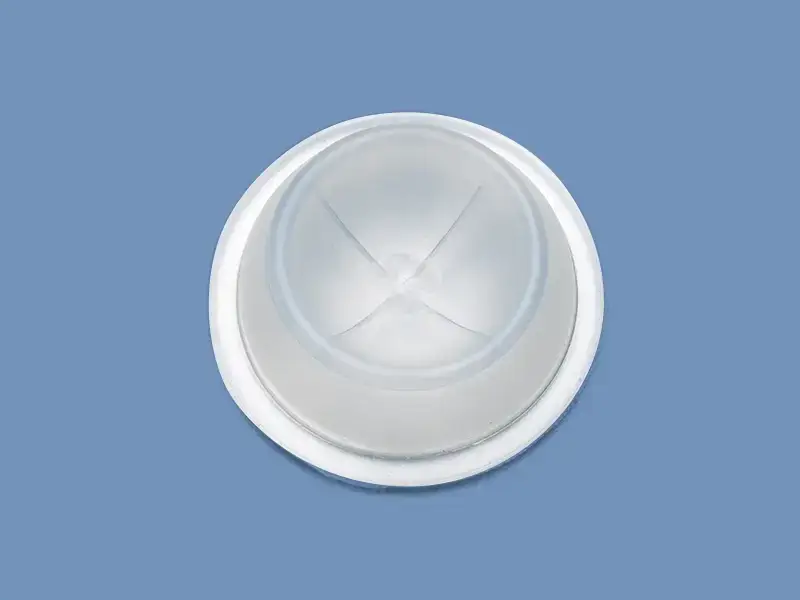
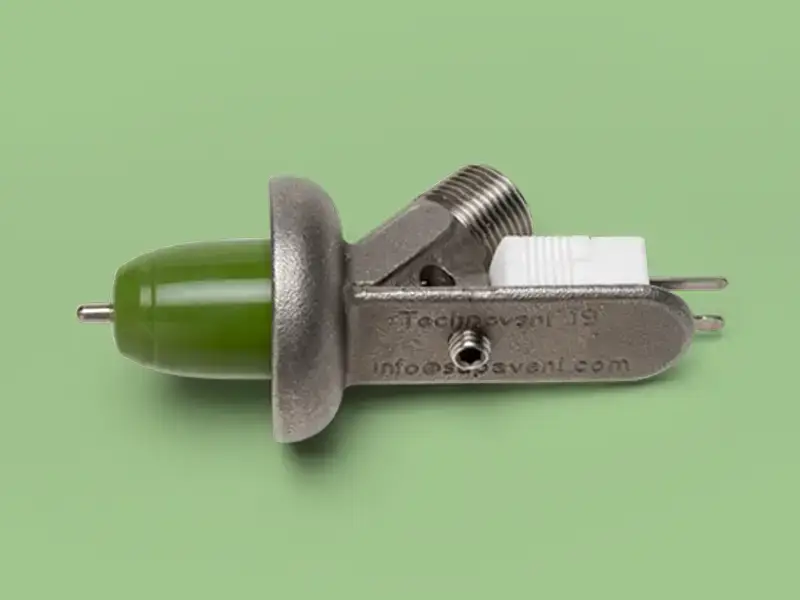
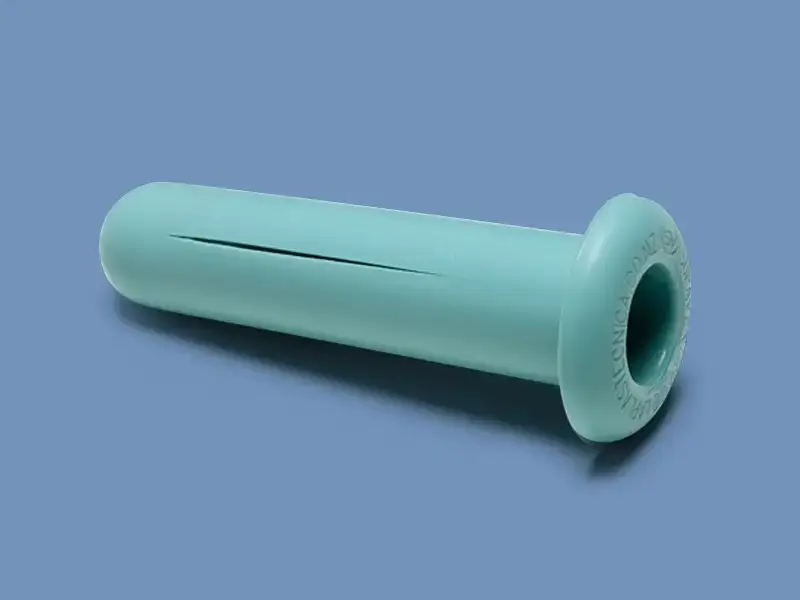
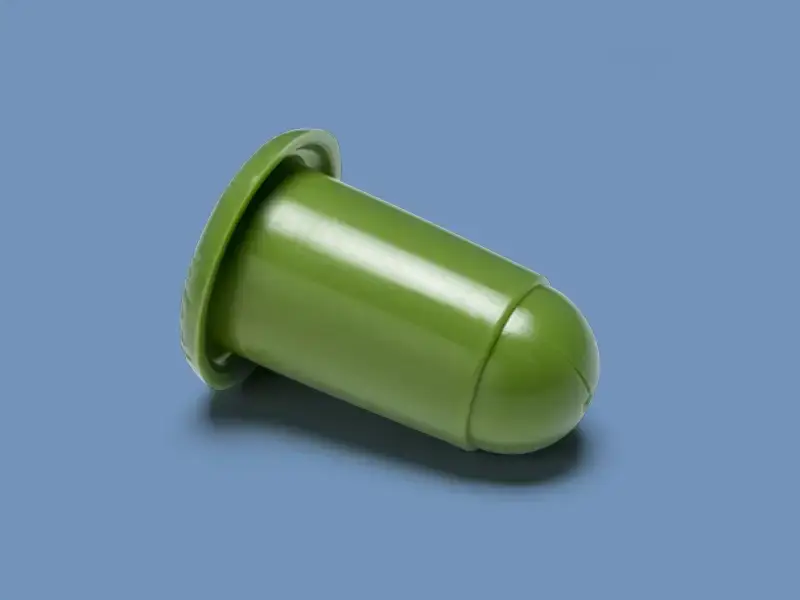
Vents are critical functional elements in rotational moulding, ensuring safe pressure equalisation, controlled air exchange, and defect free part formation during the heating and cooling phases. Although often small and mechanically simple, vents have a disproportionate influence on process stability, surface quality, and dimensional accuracy. Their correct design, sizing, and maintenance are essential for reliable moulding of both small and large hollow components.
Welding Systems
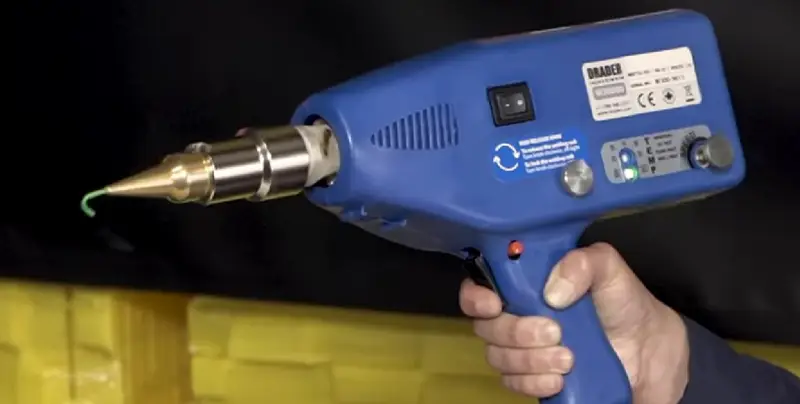
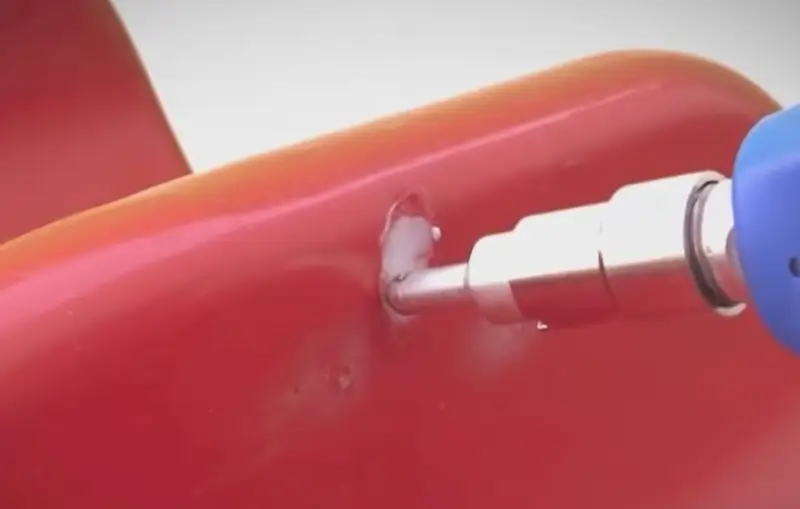
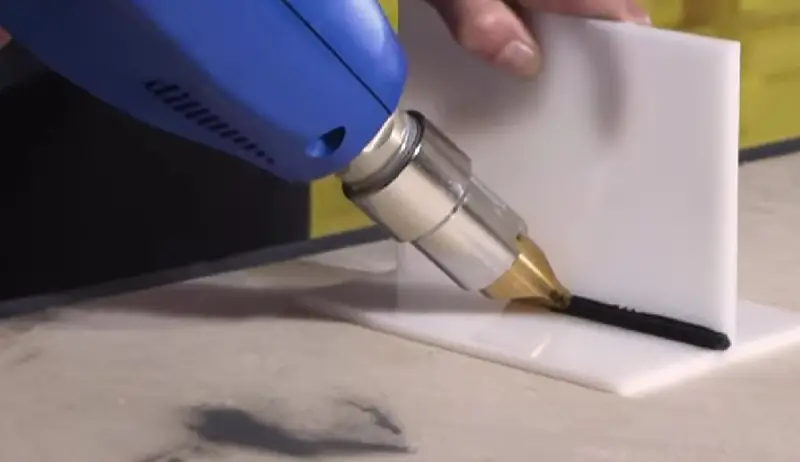
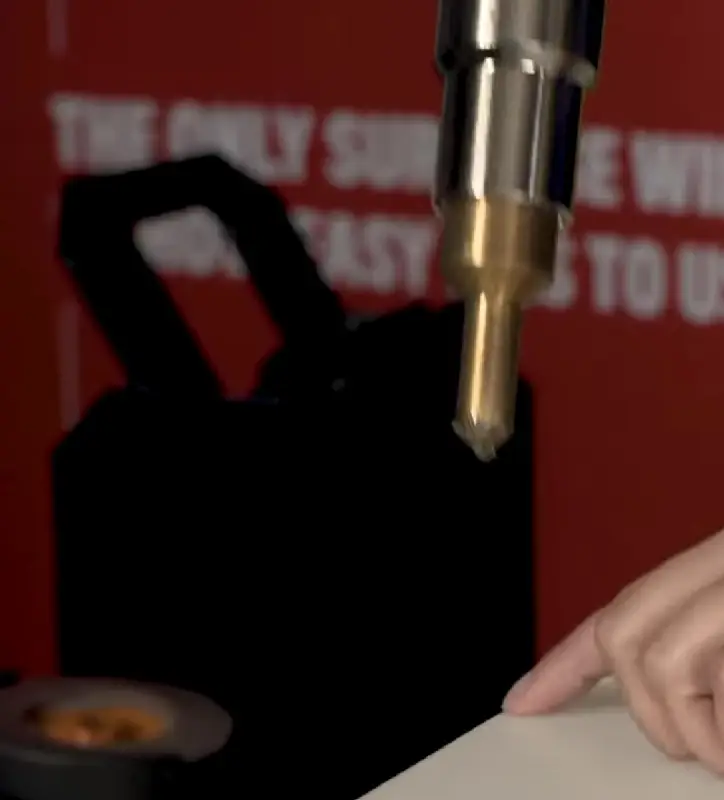
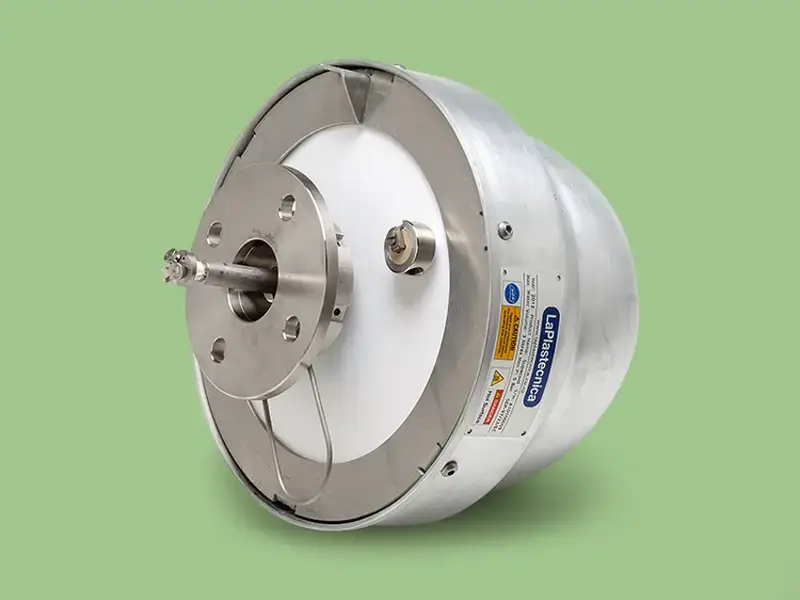
Welding systems for rotomoulded products provide essential joining solutions for polymer components that cannot be manufactured as a single seamless body. Although rotational moulding excels at producing hollow monolithic structures, many applications require post moulding assembly, structural reinforcement, or the integration of functional accessories. Welding technologies enable manufacturers to create strong, durable, and leak tight joints while preserving the mechanical integrity and chemical resistance of polyolefin materials such as LLDPE, HDPE, and PP.