Moulds
Cast Aluminum Moulds
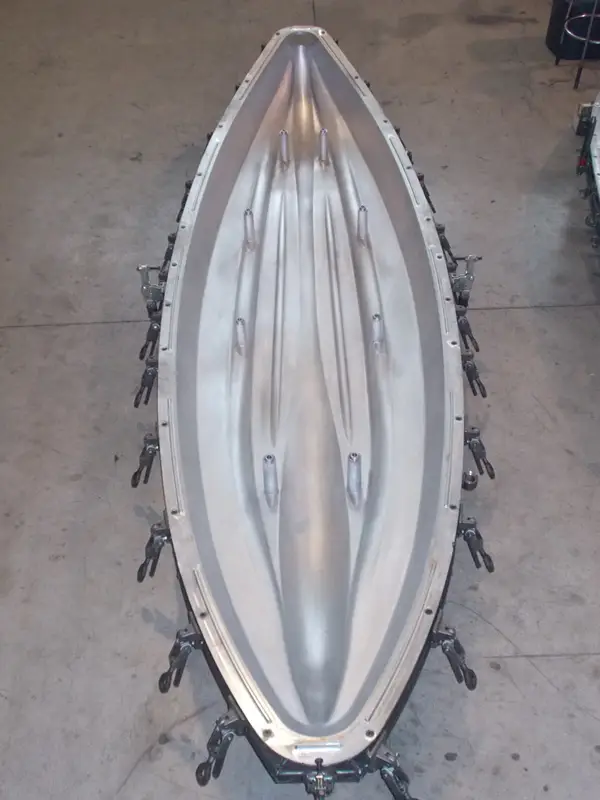
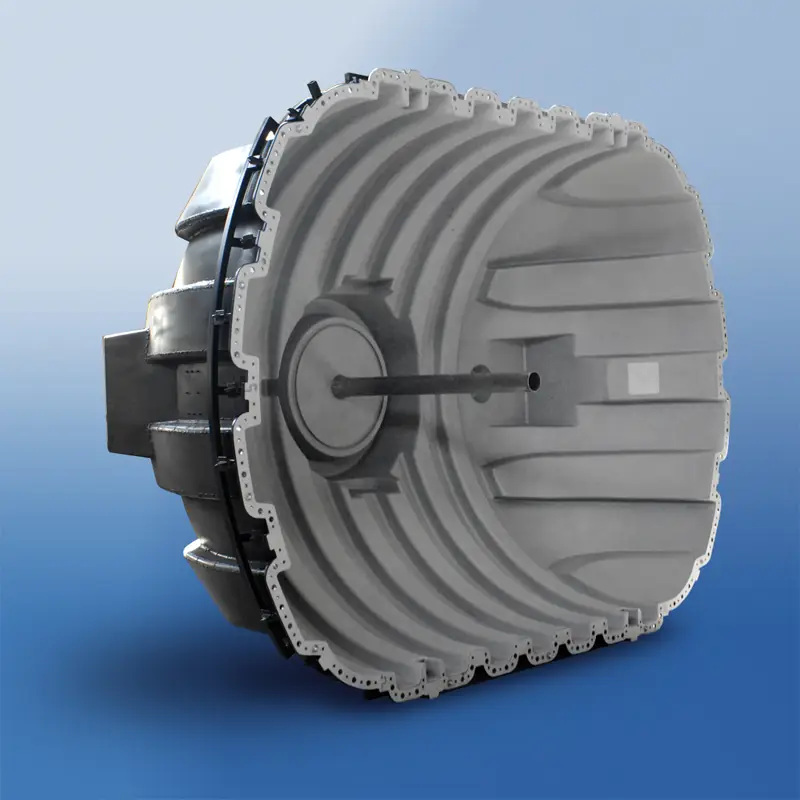
Cast aluminum moulds are widely used in the production of items with complex shapes that cannot be made from sheet metal. These moulds are made through the process of casting molten aluminum using a pattern. Due to the versatility of aluminum, these moulds offer light weight, strength and good thermal conductivity. They are ideal for the production of furniture, automotive, aerospace and other components that require high standards of aesthetic quality.

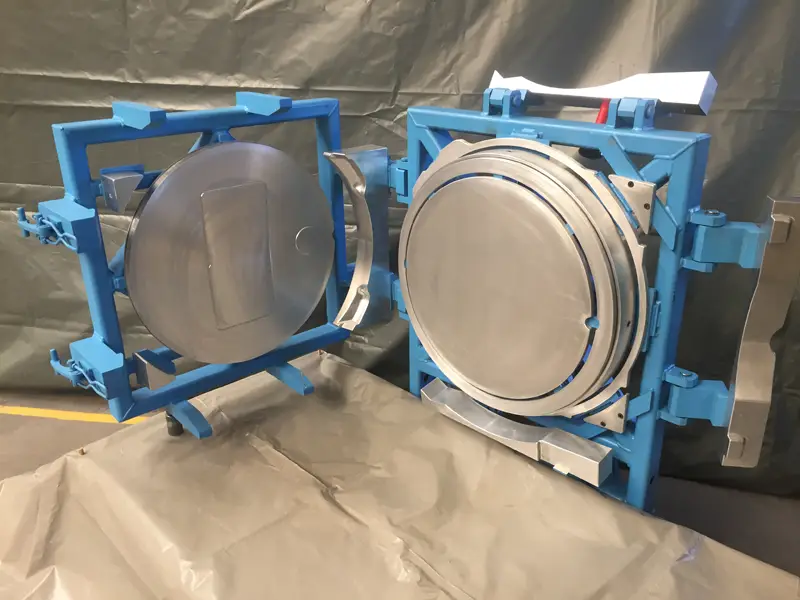
CNC Moulds From Aluminum Block
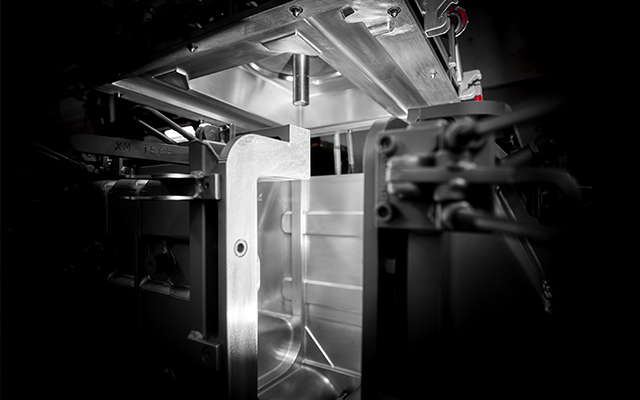
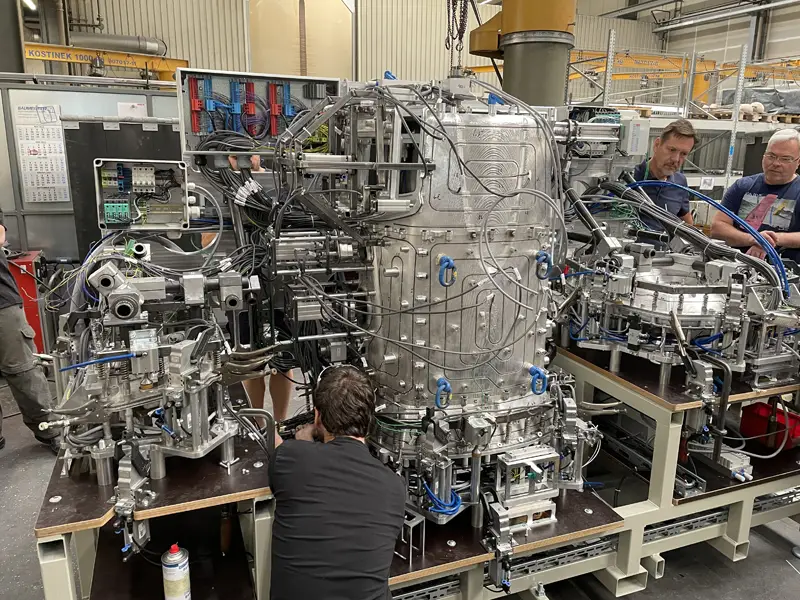
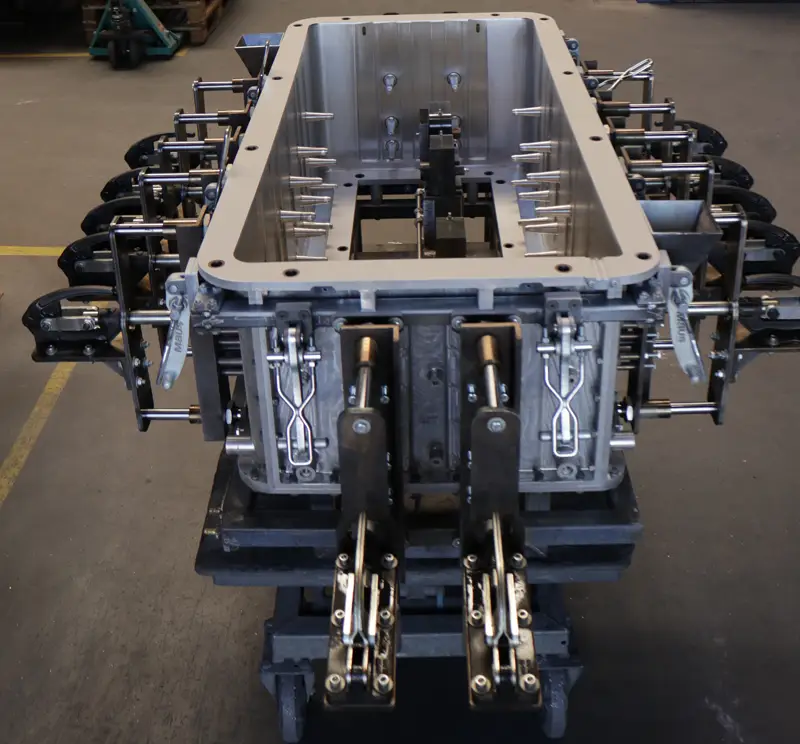
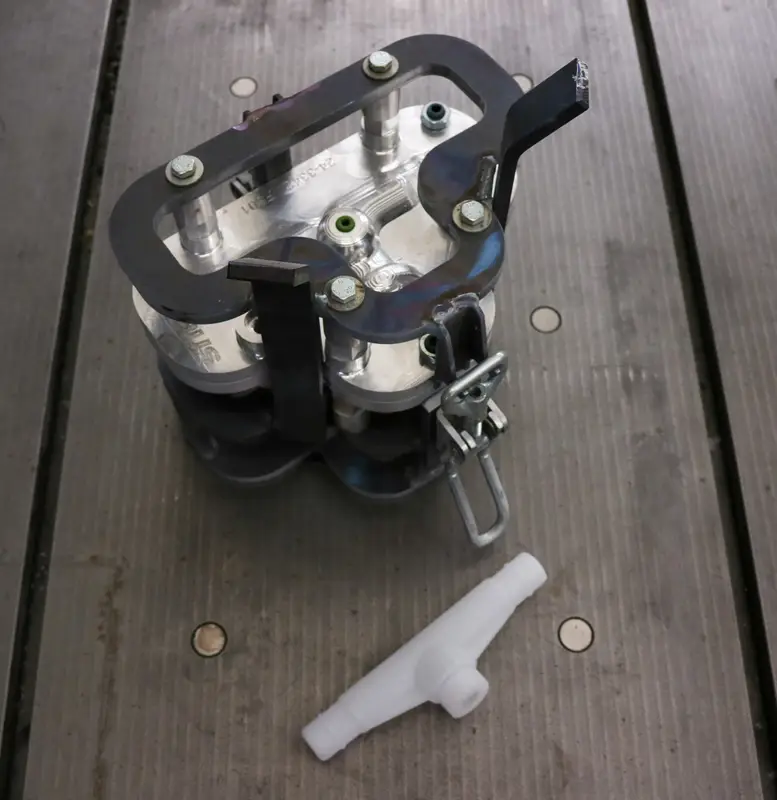
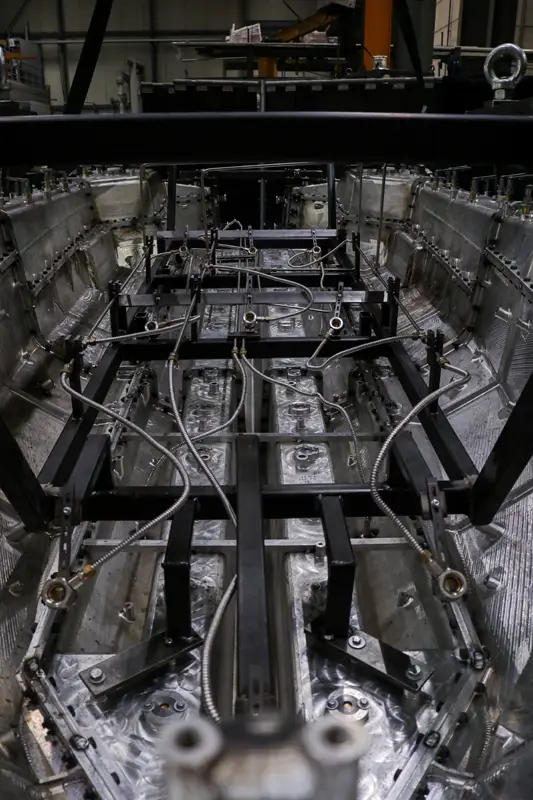
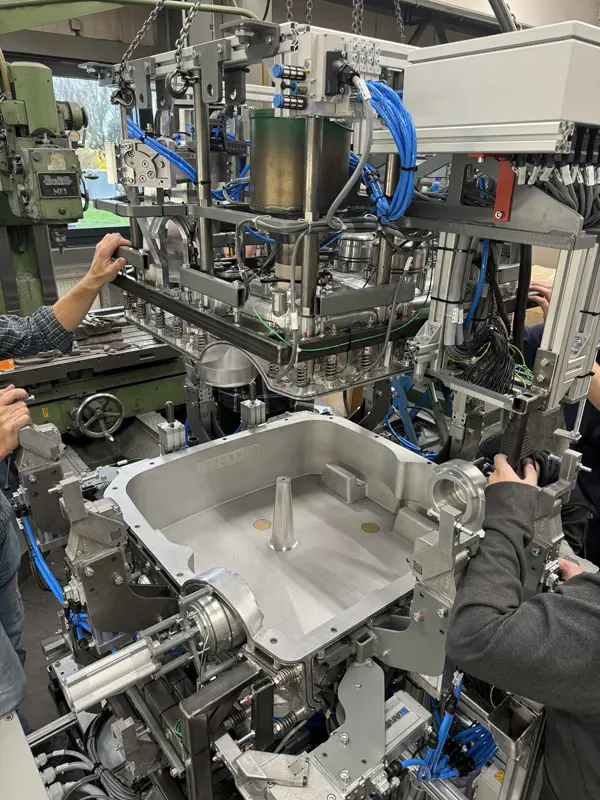
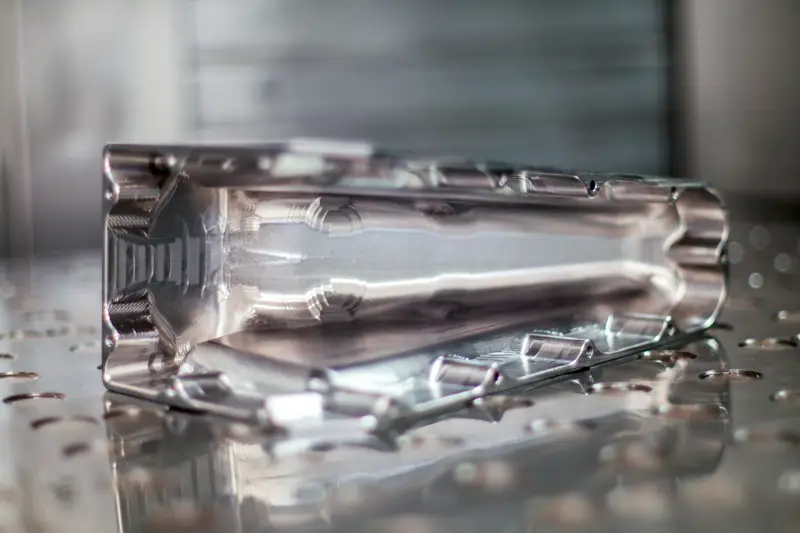
CNC‑machined aluminium moulds represent one of the highest‑precision tooling solutions available for rotational moulding, particularly suited to applications requiring tight dimensional tolerances, superior surface finish, and enhanced thermal responsiveness. Unlike fabricated sheet‑metal moulds or cast aluminium tools, block‑machined moulds are produced from a solid aluminium billet, enabling exceptional structural integrity and geometric accuracy.
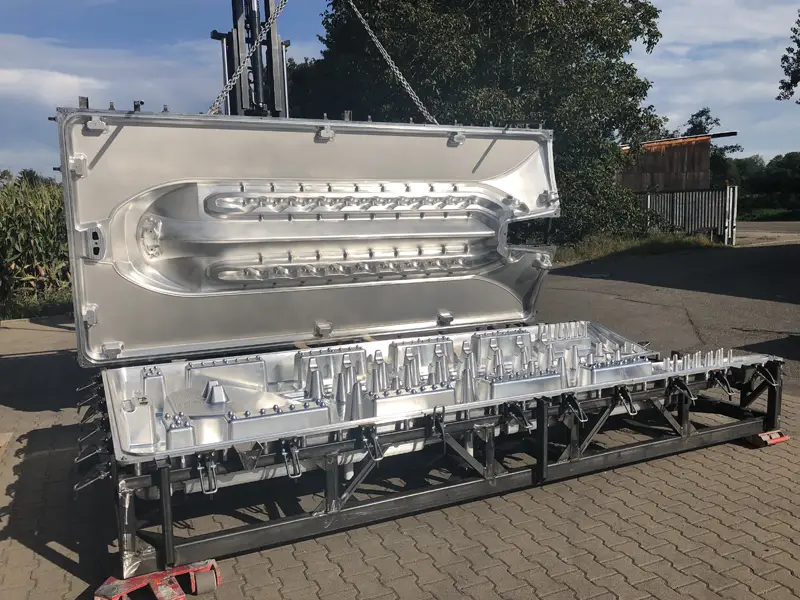
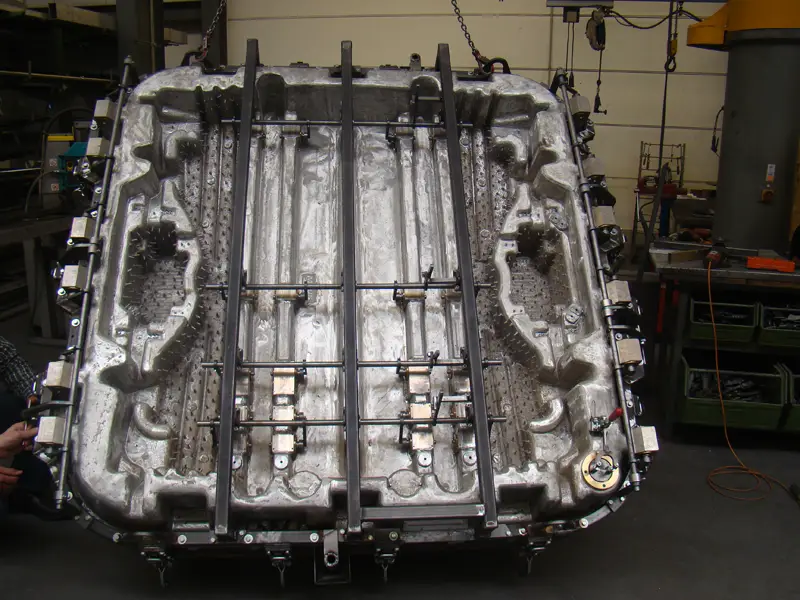
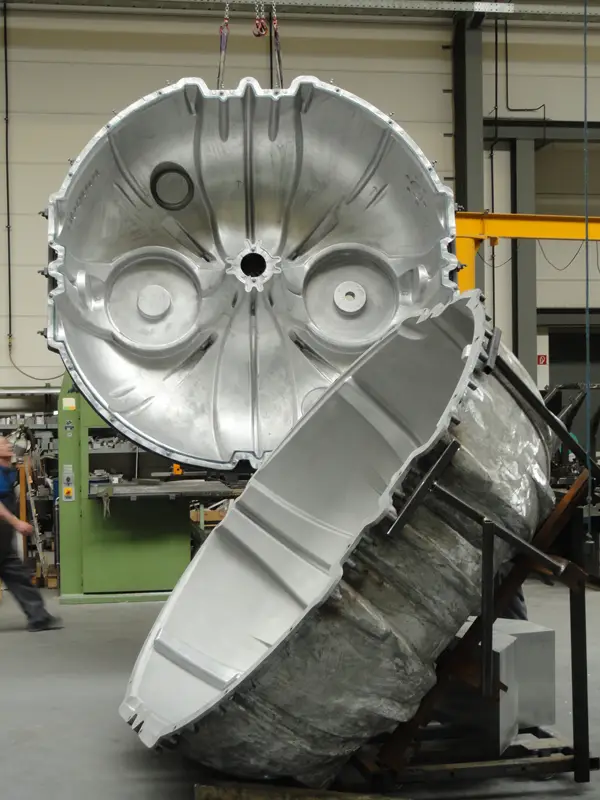
Sheet Steel Moulds
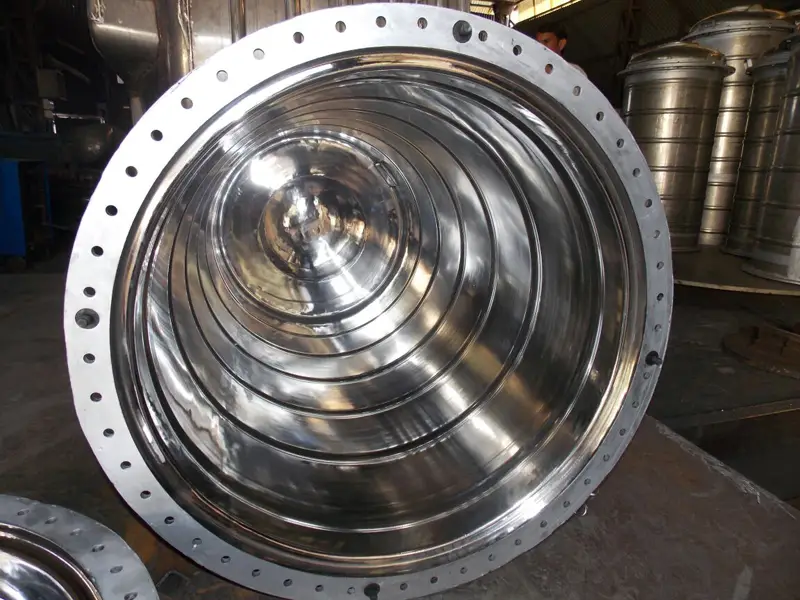
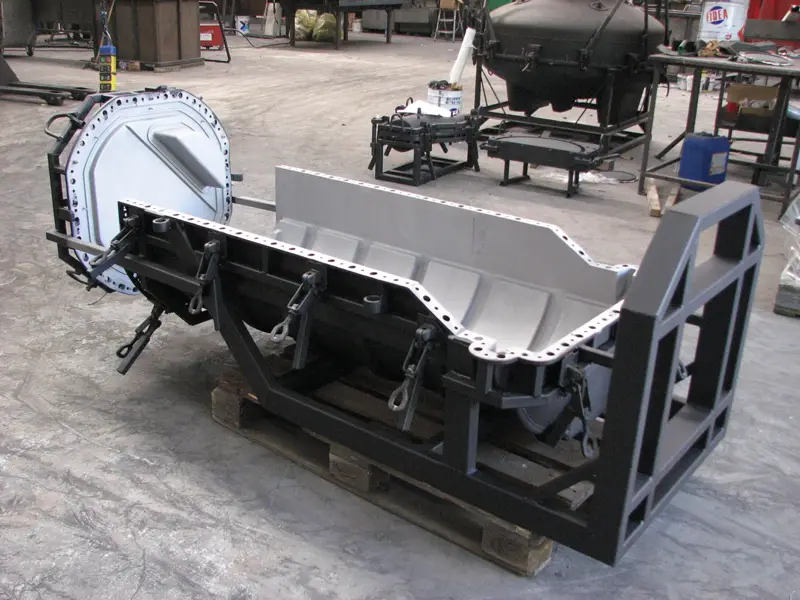
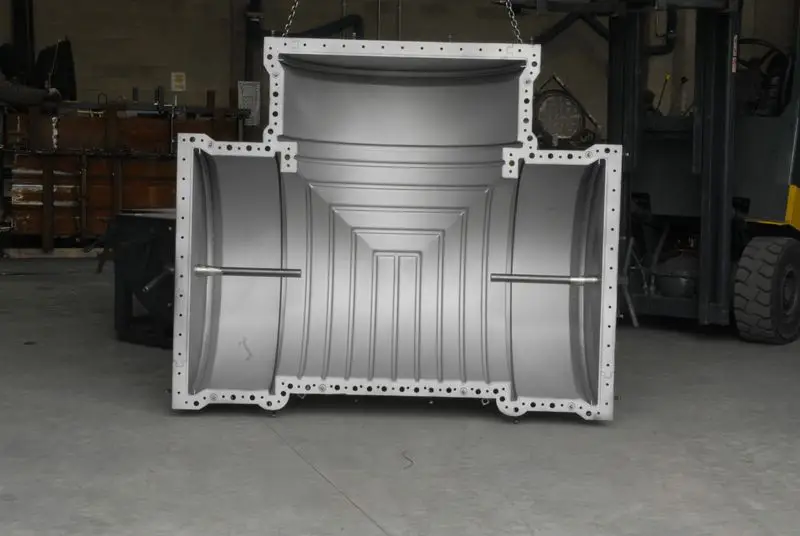
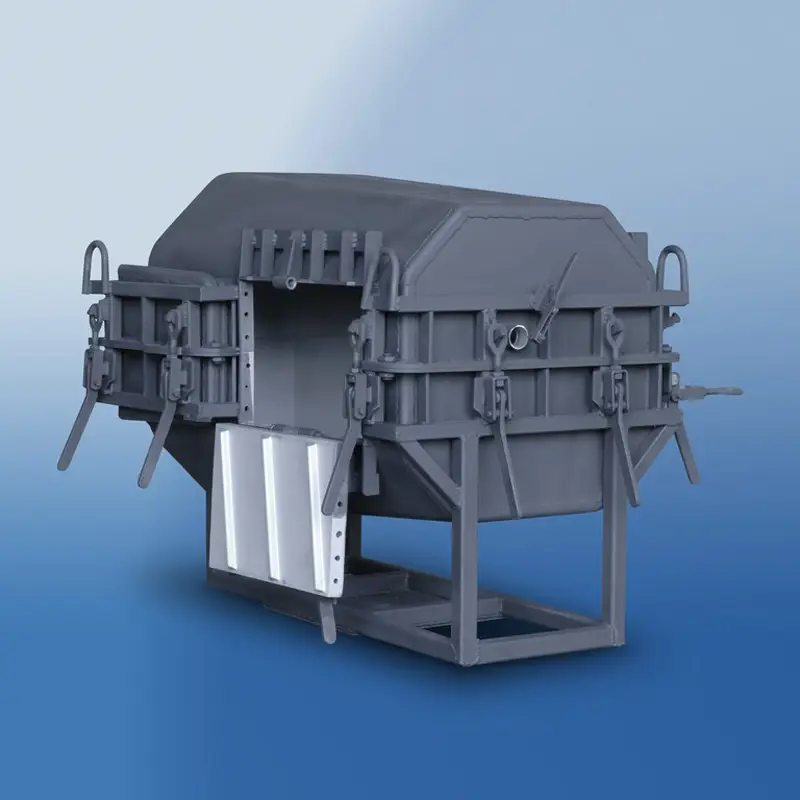
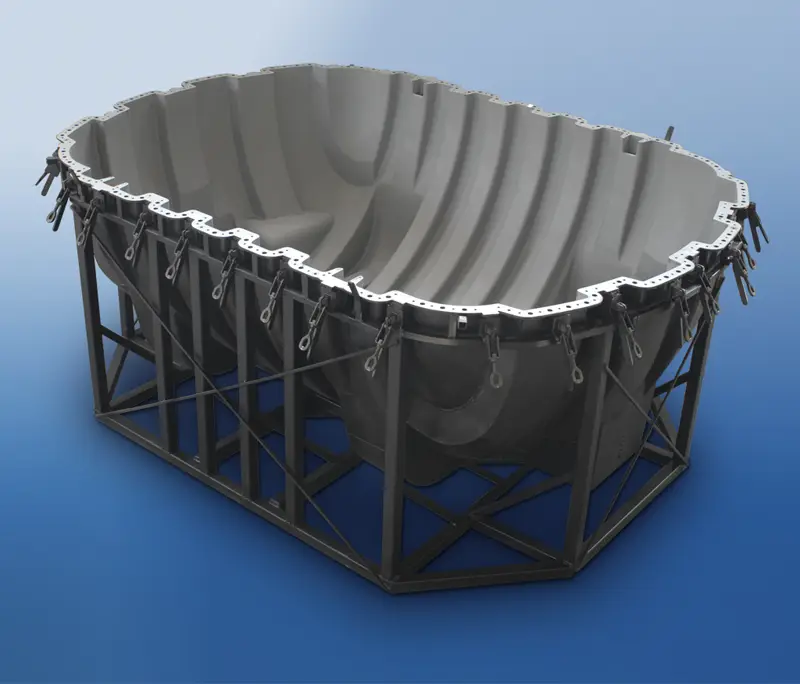
Sheet steel moulds represent a cost effective and structurally robust tooling solution widely used in rotational moulding, particularly for large, simple geometry products where high thermal inertia and long term durability are required. Manufactured from welded steel plates—typically mild steel or stainless steel—these moulds offer excellent mechanical strength, good resistance to deformation under thermal cycling, and long service life in demanding production environments.
Stainless Steel Sheet Moulds
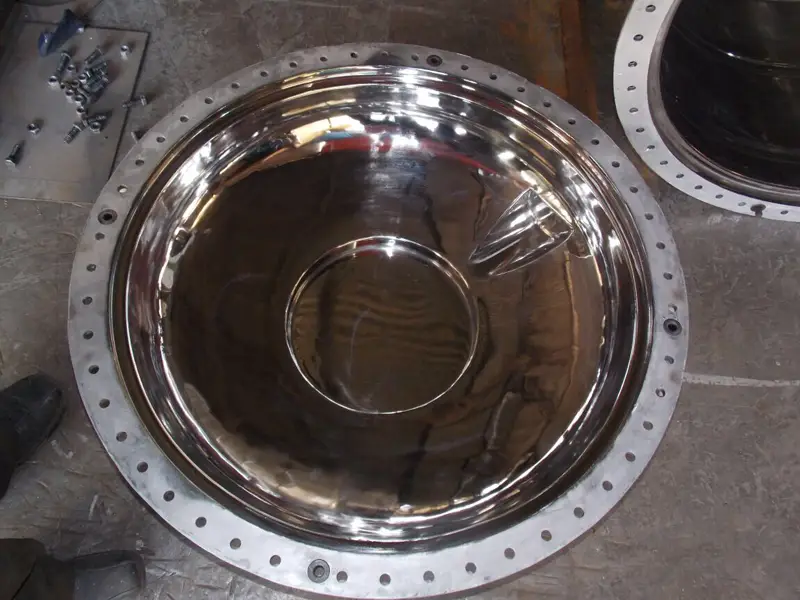
Stainless steel moulds represent a premium tooling solution in rotational moulding, selected for applications requiring exceptional durability, chemical resistance, and dimensional stability under demanding thermal cycles. Although more expensive and heavier than aluminium or mild steel alternatives, stainless steel tools offer a unique combination of mechanical robustness, surface integrity, and long service life, making them suitable for highly abrasive polymers, aggressive additives, and industrial environments where corrosion or mechanical wear are critical concerns.