Materials
Linear Low Density Polyethylene (LLDPE)
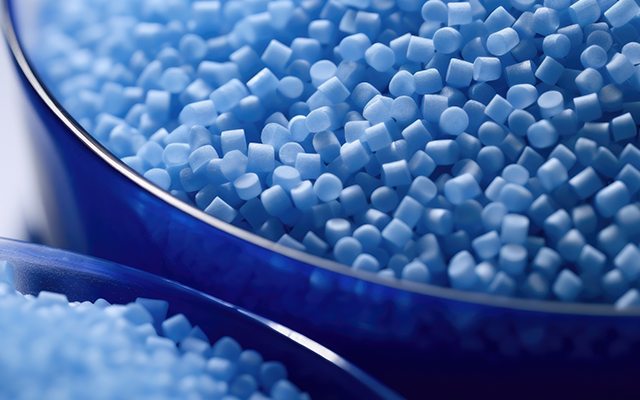
Polyethylene dominates rotational molding, making linear low-density polyethylene (LLDPE) the preferred material for a vast number of projects. At Integrity Rotational Molding, where engineering, craftsmanship, and American manufacturing guide every decision, LLDPE is used extensively because it consistently delivers the toughness, flexibility, and production efficiency that customers depend on. Products produced with LLDPE rotomolding get an ideal balance of impact resistance, low-temperature toughness, and predictable melt-flow behavior.

Additional Content



High Density Polyethylene (HDPE)
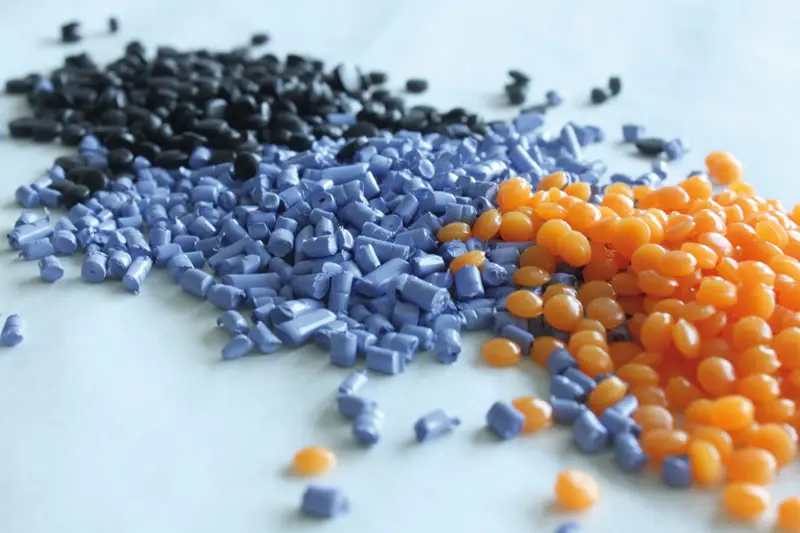
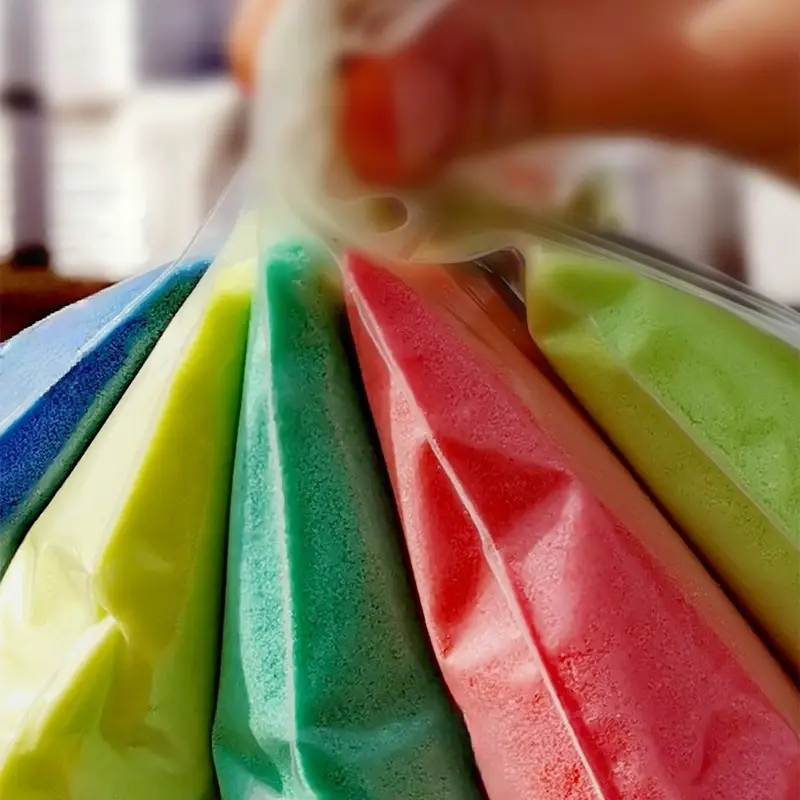
In rotomolding, HDPE (high-density polyethylene) is a commonly used material. High-density polyethylene (HDPE plastic) is the stiffest type of PE. It is a stronger and stiffer polyethylene than LDPE (low-density polyethylene) or LLDPE (linear low-density polyethylene). The HDPE for rotational molding is commonly used to manufacture products such as storage tanks. HDPE rotomolding results in very strong and durable products. It also is a very lightweight material, making it suitable for products in all kinds of industries, such as building and leisure.
Additional Content
Cross Linked Polyethylene (XLPE)
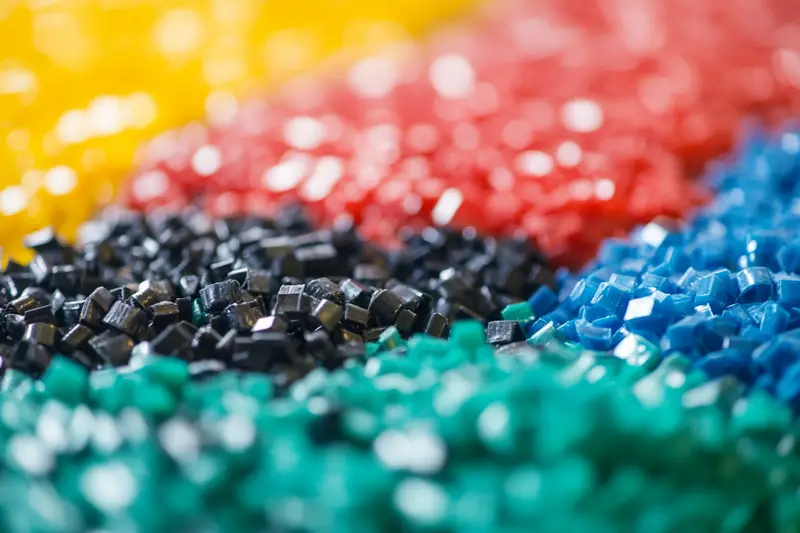
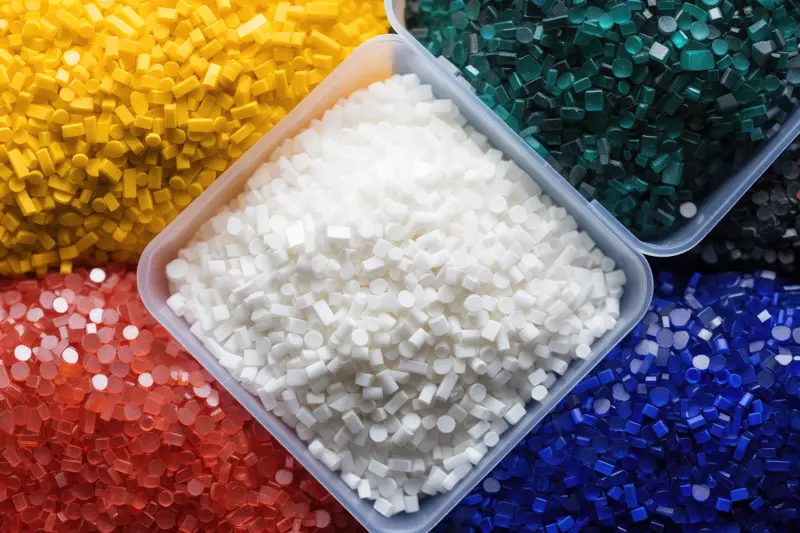
Cross Linked Polyethylene (XLPE): Is a plastic material that strengthens considerably during the moulding process by crosslinking the plastic molecules. Some benefits of using XLPE for your products are enhanced impact resistance, ductile strength, improved Environmental Stress Crack Resistance (ESCR), higher abrasion and sustainability in cold temperatures. During the heating cycle, chemical catalysts bond the polymer chains together, creating an exceptionally durable, seamless product.
Additional Content
Nylon
These materials offer full engineering material performance for rotational moulding applications. In the case of nylon 11 and 12 they are processed in the presence of air, without degradation of the polymer, in the case of nylon 6 an inert atmosphere has to be used (normally nitrogen) which makes processing more complex, although the lower material cost of this grade compensates for the difficulty in processing.
Additional Content
Plasticised Polyvinyl Chloride (PVC)
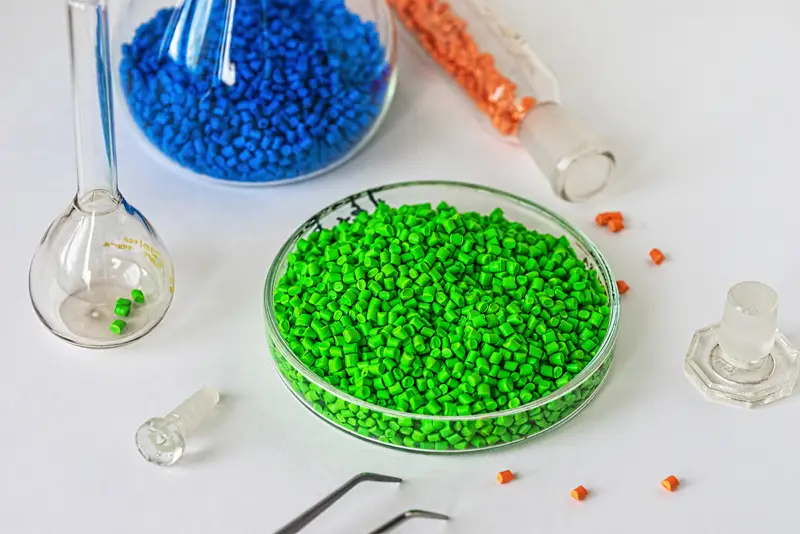
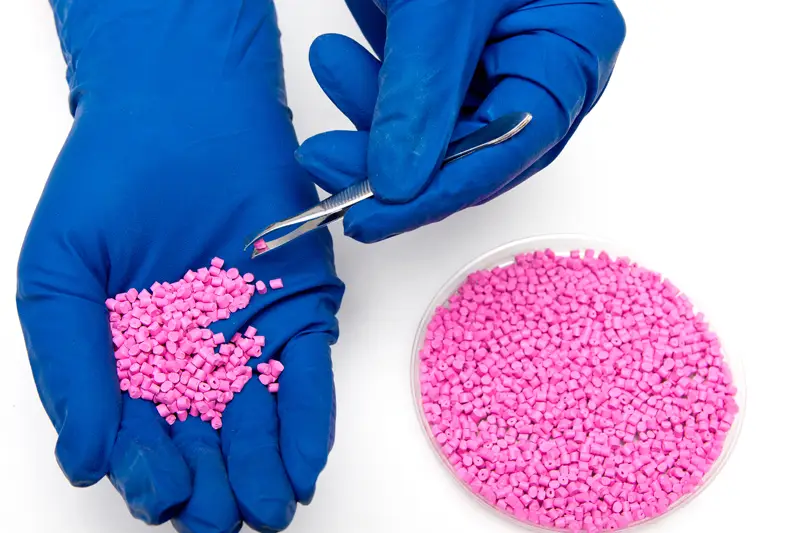
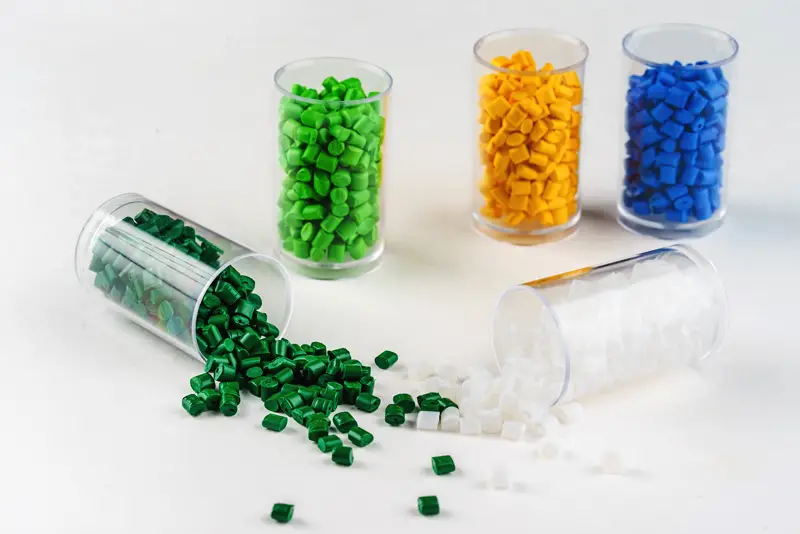
Plasticised polyvinyl chloride (PVC): available in a liquid form, (plastisol). PVC has excellent weathering and ageing characteristics and is highly resistant to certain chemicals. Flexibility, impact and temperature performances differ according to grade. Because of their elastomeric qualities, the softer grades of PVC are commonly employed where rubber like qualities are required.
Additional Content


Polyvinylidene fluoride (PVDF)
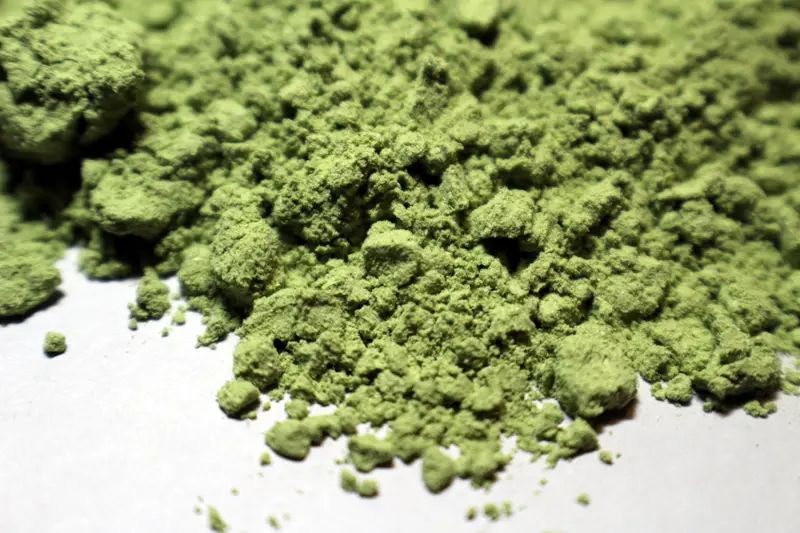
On top of the list regarding high chemical resistance, outstanding environmental stress crack resistance, inherently flame retardant, excellent impact and heat resistance. Used when other materials cannot perform for the application due to the mechanical properties.
Additional Content
Plastomer
Flexible materials that have soft touch and rubber like qualities, are easy to process, excellent impact which can vary in the stiffness depending on grades. Ideal for road bollards, fenders and products requiring excellent impact strength.
Using plastomers in rotational moulding enables the production of highly flexible, rubber-like, and soft-touch hollow parts. These ethylene-based or metallocene-catalyzed resins combine the easy processing of thermoplastics with the elastomeric qualities of rubber, offering exceptional impact resistance and varying degrees of stiffness.
Additional Content
Polycarbonate (PC)
Polyethylene (PE) serves as the familiar standard for manufacturing. It is highly forgiving, chemically resistant, and dominates the vast majority of applications. However, for product designers and engineers, standard choices are often not enough. There comes a point in high-performance applications where the material limitations of PE become obvious, particularly when a project requires optical transparency or the ability to withstand elevated operating temperatures.
Additional Content